


The way the world searches on Google just changed — and not just a little. At Google I/O 2026, the company unveiled what it’s calling the biggest upgrade to the Google Search box in over 25 years, marking a major shift in how users interact with the world’s most popular search engine.
For two and a half decades, the Google Search box remained iconic — a simple text field where people typed a few words and hit Enter. Today, that humble field is transforming into an AI‑powered gateway to insights, actions, and answers beyond anything we’ve seen before.
The new “Intelligent Search Box” replaces the old static search field with a dynamic, AI‑driven interface that understands language more like a human than a traditional search engine. It’s powered by Gemini 3.5 Flash, Google’s most advanced AI model yet — the same technology underpinning other major AI upgrades across Google products.
Here’s what sets it apart:
In short: Google is making search feel like a conversation — not a keyword hunt.
But it’s not just about the search box — it’s what surrounds it:
AI summaries and conversational results no longer live in a separate mode. You can now dive into an AI answer and continue asking follow‑ups without losing context.
New background “search agents” can monitor the web on your behalf around the clock — whether you’re tracking real‑estate listings, product drops, or market changes — and notify you when something relevant pops up.
Google is now bringing personal intelligence into search by linking contextual data (like Gmail, Photos, and soon Calendar), which means results can be smarter and more personal than ever before.
This evolution changes what search feels like:
Users will no longer need to guess how to phrase a question. Instead, they’ll be coached toward queries AI understands best — making search faster, richer, and more intuitive.
For marketers and website owners, the upgrade has profound implications:
Traditional keyword patterns are evolving into conversational language, meaning SEO strategies must adapt to context‑based queries and intent signals.
With AI summaries embedded directly into search, more people might find answers without clicking through — potentially reducing traffic for some sites.
To thrive, content must provide clear, well‑structured answers that AI tools can extract and surface — not just rank in the traditional ten blue links.
Many observers are already saying that this shift signals the end of the classic search experience dominated by ranked links. Instead, Google is moving toward an AI‑first search assistant — one that answers, suggests, and even acts on user behalf.
Yet Google maintains that traditional results won’t disappear entirely — users will still see links, but AI will play a more central role in guiding answers and interactions.
Google’s new Intelligent Search Box isn’t just a UI tweak — it’s a paradigm shift in how people search, understand information, and interact with technology. By blending powerful AI with intuitive input, Google is redefining search for the next 25 years.
For users: Expect a more conversational, context‑aware search experience.
For businesses: Prepare for SEO to evolve toward intent‑led content and AI visibility strategies.
Change is here — and search will never look the same again.

Gaurav is working on various verticals like IT & Software Solutions | Digital Marketing | E-Commerce | BPO | Outsourcing | Offshoring | Global Deliveries | Exports | Education. Gaurav believes in CHANGE, which is constant throughout the LIFE so be with the CHANGE Gaurav is having, In-depth experience in IT Solutions, Offshoring, Internet Branding, Sales & Marketing, Managing New Projects & Processes, Solution Designing and Transitioning of New International and Domestic business engagements. Proficient at managing & leading teams to run successful operations & experienced in developing procedures, service standards, client satisfaction using standard frameworks for business excellence.


The algorithms employed by Google keep getting improved from time to time in order to enhance how they analyze and rank content. Structured data is among the features of search engines that have emerged as important in SEO since it enables the algorithms to gain a better understanding of what is published on sites. Google […]
.....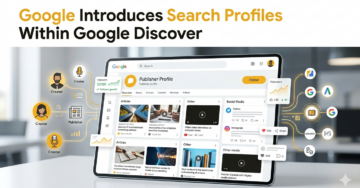
Google Expands Publisher Visibility with Search Profiles Google has officially begun rolling out Search Profiles within Google Discover in the United States, introducing a new way for publishers, creators, and brands to establish a stronger presence across Google’s ecosystem. The feature creates dedicated publisher landing pages that allow users to follow content sources, explore recent […]
.....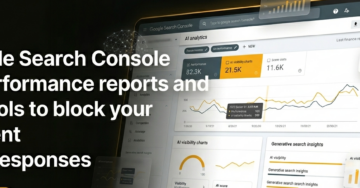
Google has started rolling out one of its most important updates in recent years for website owners and SEO professionals. The update brings AI-powered performance reporting and early-stage content control options inside Google Search Console, focused on how websites appear in generative AI experiences such as AI Overviews, AI Mode, and AI-generated results in Discover. […]
.....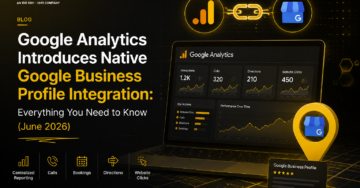
Google has officially launched a native integration between Google Business Profile (GBP) and Google Analytics 4 (GA4), letting local businesses track offline and local engagement—like calls, direction requests, and bookings—alongside website and app data in one place. What’s New (and Why It Matters) On June 8, 2026, Google rolled out a direct GBP → GA4 […]
.....
The way the world searches on Google just changed — and not just a little. At Google I/O 2026, the company unveiled what it’s calling the biggest upgrade to the Google Search box in over 25 years, marking a major shift in how users interact with the world’s most popular search engine. For two and […]
.....
Google has once again shaken the SEO world with its March 2026 Spam Update, and if you’ve noticed sudden ranking fluctuations, traffic drops, or unexpected gains—this update could be the reason behind it. Over the past few years, Google has been aggressively refining its algorithms to eliminate low-quality content and reward websites that genuinely help […]
.....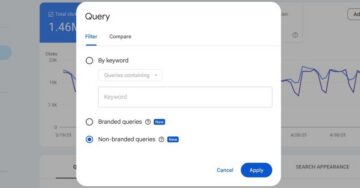
Google has rolled out its branded queries filter in Search Console to all eligible sites, simplifying how SEOs analyze branded versus non-branded traffic. This native tool replaces manual regex hacks, making performance reporting more efficient for eCommerce and health sites. Key Takeaways Universal Access: As of March 10, 2026, the AI-powered filter is now live […]
.....
Google released its December 2025 core update on December 11, 2025, and created a buzz in the SEO world. Google released its third big core update this year after March and June. The search landscape could change again. These core updates are surely wide changes to Google’s ranking systems, and effects may take time to […]
.....
Google Search Console’s latest experimental feature is really next-level for marketers, and it has been constantly improving. Now, you can monitor your social media channels in Google Search Console, directly alongside your website. Google has posted this update from its official social media account. It’s a great time-saver and a powerful method for shaping content […]
.....
Google is testing a new mobile search flow in which you can directly switch from AI overview to AI mode without leaving the result page. The information of this test is shared by Robby Stein, who is currently serving as Google’s Vice President of Product for Search. He shared this information on X. Meanwhile, Google […]
.....
SEO has never been static. Even a few years ago, you could get by with basic keyword research and a few backlinks. Now, search engines are smarter, users are savvier, and AI is starting to play a role in determining what content surfaces. For marketers and website owners, keeping up can feel overwhelming. Recently, Semrush […]
.....
If you follow Google’s SEO and structured data updates, 2025 started with big news that surprised even seasoned marketers. Google officially announced the retirement of six types of structured data that have been part of the search ecosystem for years. For webmasters, this is more than a technical change. It signals a shift in how […]
.....
Generative AI (Gen AI) has moved from buzzword to business reality. It is reshaping workflows, strategies, and even results across industries, but in no place is its impact felt more pronounced than in advertising. What was once experimental technology is now being utilized by millions of advertisers across the world, enabling them to design campaigns […]
.....


