



A strategic view of how businesses manage SEO outsourcing for long-term growth.
Search engine optimization has become one of the most important digital growth channels for modern businesses. Whether it is a startup trying to establish market presence, an eCommerce brand looking to increase product sales, or a service-based company focused on generating qualified leads, SEO plays a major role in improving visibility, credibility, and long-term business growth. However, building an experienced in-house SEO team requires significant investment, advanced tools, technical expertise, and continuous monitoring of search engine updates. This is one of the main reasons why businesses increasingly choose to outsource SEO services to specialized agencies and experienced professionals.
Outsourcing SEO can help businesses improve operational efficiency, reduce hiring costs, and scale digital marketing efforts faster. However, many companies fail to achieve the expected results because they approach outsourcing without a proper strategy. Poor agency selection, unrealistic expectations, weak communication, and unclear business objectives often become the biggest reasons why SEO outsourcing campaigns underperform.
To build a successful outsourcing strategy, businesses must understand the most common mistakes that negatively impact SEO performance and learn how to avoid them effectively.
SEO today is far more advanced than traditional keyword optimization. Modern SEO involves technical audits, website performance improvements, user experience optimization, content strategy, semantic search alignment, authority building, and AI-driven search visibility. Managing all these elements internally can become difficult for businesses that already have operational and marketing responsibilities to handle.
Outsourcing SEO allows companies to access specialized professionals who understand changing search engine algorithms and industry trends. It also gives businesses access to advanced SEO tools, experienced strategists, content specialists, technical experts, and link-building professionals without the expense of building a large internal team.
Another major advantage of SEO outsourcing is scalability. Businesses can quickly expand their SEO campaigns, produce more optimized content, improve technical performance, and compete more effectively in search results without slowing down their internal operations. This flexibility is especially valuable for growing businesses that want long-term digital visibility without increasing operational complexity.
However, outsourcing only becomes successful when businesses choose the right strategy and avoid common mistakes that reduce campaign effectiveness.
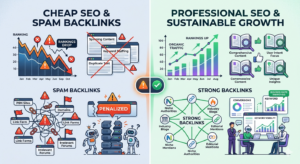
Low-cost SEO often leads to spam tactics, penalties, and poor long-term performance.
One of the biggest mistakes businesses make while outsourcing SEO is selecting an agency purely because it offers the cheapest pricing package. While budget management is important for every company, choosing SEO services based only on low pricing often creates larger long-term problems because many low-cost agencies rely on outdated or low-quality optimization techniques to deliver quick results.
Cheap SEO providers frequently promise guaranteed rankings, thousands of backlinks, or instant traffic growth within a short time. These promises may sound attractive, especially to small businesses or startups trying to minimize marketing costs, but professional SEO does not work through shortcuts. Sustainable SEO requires proper technical optimization, high-quality content creation, authority building, user experience improvements, and consistent long-term strategy execution.
Low-cost agencies often use spam backlinks, duplicate content, keyword stuffing, automated publishing tools, or private blog networks that violate search engine quality guidelines. While these tactics may temporarily increase rankings, they can eventually lead to ranking drops, penalties, traffic decline, and damage to overall domain credibility. Recovering from poor SEO practices often becomes more expensive than investing in quality SEO services from the beginning.
Instead of focusing only on pricing, businesses should evaluate:
A professional SEO partner focuses on sustainable visibility, content quality, and strategic optimization rather than temporary ranking spikes. Businesses should always remember that effective SEO is an investment in long-term growth, not a short-term expense that should be minimized at all costs.

Clear communication and reporting build trust in SEO outsourcing partnerships.
SEO outsourcing should function as a collaborative business partnership rather than a disconnected service where all responsibilities are blindly handed over to an external agency. One of the most common reasons why SEO outsourcing fails is poor communication and lack of transparency between businesses and SEO providers. Many companies do not clearly understand what work is being done, how strategies are being implemented, or how campaign performance is being measured.
Without proper communication, businesses often struggle to track keyword targeting, content planning, backlink acquisition, technical improvements, and overall SEO progress. Some agencies provide vague reports filled with vanity metrics that look impressive but fail to explain actual business impact. As a result, businesses become disconnected from the campaign and lose clarity regarding return on investment.
Strong communication helps businesses:
Professional SEO agencies maintain transparency through detailed reporting, regular strategy discussions, and performance analysis. Businesses should always request monthly reports that clearly explain traffic growth, ranking improvements, technical SEO progress, backlink quality, content performance, and conversion trends.
A professional SEO report should include:
Strong communication also helps businesses align SEO efforts with broader marketing and business goals. A successful SEO outsourcing relationship depends heavily on transparency, accountability, and collaborative planning.

Clear SEO goals help align strategy with real business outcomes.
Another major mistake businesses make is outsourcing SEO without defining clear business objectives or understanding what they actually want to achieve from the campaign. SEO strategies become ineffective when there is no clarity regarding target audience, conversion goals, business priorities, or growth expectations.
Different businesses require different SEO approaches. For example, an eCommerce company may prioritize product visibility and sales conversions, while a SaaS company may focus on lead generation and demo bookings. Similarly, local businesses may target location-based traffic, while enterprise brands may focus more heavily on authority building and competitive visibility.
Without clear objectives:
Businesses that fail to define SEO goals often experience frustration because they expect growth without establishing measurable success metrics. SEO campaigns should always support broader business objectives instead of operating independently.
Before hiring an SEO agency, businesses should identify:
When SEO goals are clearly defined, agencies can create more focused strategies that generate meaningful business outcomes rather than just increasing traffic numbers without conversion value.

Focus on real business metrics, not just keyword rankings.
One of the most unrealistic expectations businesses have when outsourcing SEO is expecting immediate results within a few weeks. SEO is a long-term investment that requires continuous optimization, content development, authority building, and technical improvements before strong ranking growth becomes visible.
Search engines evaluate hundreds of ranking factors when determining website visibility. Building credibility, relevance, and trust takes time, especially in competitive industries where established websites already dominate search results.
SEO growth depends on multiple factors such as:
Professional SEO campaigns typically begin with audits, technical fixes, content planning, competitor research, and optimization strategies before major traffic improvements occur. Businesses that expect overnight success often become vulnerable to agencies using manipulative tactics that create temporary rankings but damage long-term performance.
Businesses should focus on sustainable long-term growth rather than expecting instant rankings that rarely last.

Real SEO success is measured through conversions, revenue, and ROI—not just rankings.
Another common outsourcing mistake is focusing only on rankings while ignoring actual business outcomes. Rankings alone do not guarantee growth if the traffic generated does not convert into leads, sales, or meaningful engagement.
Many businesses become distracted by vanity metrics such as impressions or random keyword rankings that look impressive in reports but fail to contribute to real business performance.
Professional SEO agencies should help businesses understand how SEO contributes to overall growth instead of simply presenting large traffic numbers without context.
Businesses should regularly monitor:
SEO success should always be measured through business impact and long-term growth rather than rankings alone.
Outsourcing SEO can become a highly effective growth strategy when approached correctly. It allows businesses to access specialized expertise, improve operational efficiency, and scale organic growth without building a large internal SEO team. However, successful SEO outsourcing requires strategic planning, realistic expectations, transparent communication, and a strong focus on long-term performance.
Businesses that avoid common mistakes such as choosing agencies purely based on price, ignoring communication, outsourcing without clear goals, expecting instant results, and measuring vanity metrics are far more likely to build sustainable search visibility and long-term digital growth.
As search engines continue evolving toward AI-driven and intent-focused experiences, businesses that invest in strategic SEO partnerships today will position themselves for stronger visibility, higher authority, and better competitive performance in the future.
Outsourcing SEO means hiring an external agency or specialist team to handle your search engine optimization activities instead of building an in-house SEO department. This typically includes keyword research, technical SEO, content creation, link building, and performance tracking. The goal is to leverage expert knowledge and tools to improve rankings, traffic, and conversions while reducing internal workload and hiring costs.
It depends on your business stage, budget, and expertise. In-house SEO gives you full control, but it requires hiring skilled professionals and investing in tools and training. Outsourcing SEO is often more efficient for small to mid-sized businesses because it provides immediate access to experienced specialists and proven strategies. However, success depends heavily on choosing the right SEO partner and maintaining proper communication.
The most common mistakes include choosing an agency based only on low price, ignoring communication and transparency, outsourcing without clear goals, expecting instant results, and measuring SEO success using the wrong metrics. These mistakes often lead to poor performance, wasted budget, and lack of long-term growth.
A good SEO agency should have proven experience, case studies, transparent reporting, and a clear SEO strategy. You should evaluate their approach to technical SEO, content creation, and link building. Avoid agencies that guarantee instant rankings or use unclear tactics. The right agency focuses on long-term, sustainable growth instead of shortcuts.
SEO is a long-term process. In most cases, you may start seeing initial improvements within 2–3 months, but meaningful traffic growth and strong rankings typically take 4–6 months or more. Competitive industries may take even longer. The timeline depends on website condition, competition, and strategy quality.
SEO performance should be measured using business-focused metrics such as organic leads, conversion rates, revenue from organic traffic, and keyword visibility for high-intent searches. Vanity metrics like impressions or random keyword rankings should not be the main focus.

Gaurav is working on various verticals like IT & Software Solutions | Digital Marketing | E-Commerce | BPO | Outsourcing | Offshoring | Global Deliveries | Exports | Education. Gaurav believes in CHANGE, which is constant throughout the LIFE so be with the CHANGE Gaurav is having, In-depth experience in IT Solutions, Offshoring, Internet Branding, Sales & Marketing, Managing New Projects & Processes, Solution Designing and Transitioning of New International and Domestic business engagements. Proficient at managing & leading teams to run successful operations & experienced in developing procedures, service standards, client satisfaction using standard frameworks for business excellence.

Search engines have transformed dramatically over the past two decades. Early search engines relied heavily on matching keywords, backlinks, and page authority to determine rankings. Today, artificial intelligence is redefining how information is discovered, interpreted, and delivered. Instead of simply displaying a list of blue links, modern AI-powered search engines analyze user intent, understand context, […]
.....
If you run a local business, showing up at the top of Google Maps can directly impact your visibility, leads, and revenue. When people search for services “near me,” Google prioritizes businesses that are optimized, relevant, and trustworthy. That’s why learning how to rank higher on Google Maps is essential for any business aiming to […]
.....
In today’s competitive social media landscape, simply posting good content is not enough. If your profile is not optimized, your chances of being discovered by new audiences are extremely limited. That’s where Instagram profile optimization comes into play. It acts as the foundation for visibility, discoverability, and long-term growth on the platform. Whether you are […]
.....
Understanding how to Remove Legal Records from Google Search Results is important for anyone who wants to protect their online reputation and privacy. Legal records such as court cases, arrest records, or public filings can appear in search results and affect personal or professional life. Even if the information is old or no longer relevant, […]
.....
An SEO Audit is the process of checking your website to understand how well it performs in search engines like Google. It helps you identify problems, improve weak areas, and build a strong base for better rankings. Many website owners focus only on content or backlinks, but without a proper audit, they miss important issues […]
.....
Google Search Console — never a better SEO tool for website owners and marketers. It enables better insights into how your website is performing, tracks clicks and impressions on search engines for relevant queries, and offers valuable indexing information. In addition to Search Ads 360, Google has now rolled out reporting for social and video […]
.....
Why You Need to Spot Fake Online Reviews The buy-before-buying: where to eat, which service to choose — people make all choices based on online tips. Before spending their money, most people read reviews. Good reviews instil trust in the mind; bad reviews force users not to buy. But not every review is real. Whatever […]
.....
Social media marketing is now more than a platform for sharing! In 2026, this is now the simplest approach to boost YouTube subscribers and have a more active video activity as well as gathering a loyal audience. YouTube’s recommendation system is still the most powerful, but creators who create promotional content for a variety of […]
.....
In 2026, your online reputation is one of the most important digital assets. If you have a company, working freelance, creating the startup you will want to build a personal brand and earlier than that people will be searching online before making decisions. They read reviews, look at your website, visit social networks and consider […]
.....
Online reviews help people make smart buying decisions. Before choosing a product or service, many people read customer reviews. They want honest opinions from real users. However, fake reviews have become more common. Because of this, people now check reviews more carefully. A trustworthy review helps customers feel confident. It also helps businesses build a […]
.....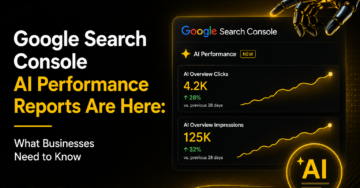
Google is rolling out new AI Performance Reports in Google Search Console. These reports help website owners see how their content appears in Google’s AI-powered search results. This update is important because search is changing fast. Today, people do not only click on blue links. They also get answers from AI Overviews and AI Mode. […]
.....
Instagram has evolved from a simple photo-sharing platform into one of the most powerful online income sources. With millions of active users engaging with brands, creators, and businesses daily, the platform offers numerous opportunities to generate revenue. Whether you are an influencer, entrepreneur, freelancer, or content creator, learning how to earn money on Instagram can […]
.....
Instagram carousel posts have become one of the most effective content formats for increasing engagement, improving reach, and delivering more value to followers. Whether you are a creator, influencer, marketer, or business owner, carousel posts allow you to share multiple images and videos within a single post. However, many users discover after publishing that the […]
.....
The modern digital advertising ecosystem has evolved significantly, and businesses now rely heavily on data-driven advertising systems like Google Ads to achieve scalable growth. This guide provides a structured, informational breakdown of how to build smarter, performance-oriented campaigns designed to improve ROI, optimize targeting, and maximize conversions across competitive industries. The focus is on practical […]
.....
SEO Companies in the USA Search engine optimization has become one of the most critical digital marketing channels for businesses aiming to grow online visibility and revenue. In the USA, SEO companies play a major role in helping brands improve rankings, attract qualified traffic, and convert visitors into customers. With search algorithms becoming more advanced […]
.....
In 2026, short-form video content has become one of the most powerful drivers of growth on Instagram. It plays a central role in personal branding, business marketing, and influencer development. Today, video views are no longer treated as a simple vanity metric—they are a key indicator of content reach, algorithm performance, and audience interest. Whether […]
.....
Snapchat is one of the most widely used social media platforms for sharing short-form photos, videos, and disappearing content known as “Stories.” Unlike traditional social networks, Snapchat is built around temporary content that automatically disappears after 24 hours. This unique system has made it extremely popular, but it has also created strong user curiosity around […]
.....
Today, lead generation is considered to be one of the crucial factors behind the growth of many companies. The current market environment is highly competitive, and attracting clients becomes increasingly difficult and costly each year. In other words, companies do not only aim to get visits to their websites or likes on their pages. Instead, […]
.....
SEO has evolved into one of the most complex digital growth systems in modern marketing. It is no longer limited to ranking websites on Google through keywords and backlinks. SEO by 2026 includes traditional search engines, AI-generated answer systems, and semantic knowledge networks that understand user intent, not just search queries. This transformation has changed […]
.....


