


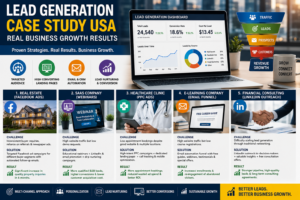
A professional lead generation dashboard highlighting real business growth results through PPC, Facebook ads, webinars, email funnels, and LinkedIn outreach.
Today, lead generation is considered to be one of the crucial factors behind the growth of many companies. The current market environment is highly competitive, and attracting clients becomes increasingly difficult and costly each year. In other words, companies do not only aim to get visits to their websites or likes on their pages. Instead, they are interested in leads that can turn into sales and revenue.
This trend has created an increased emphasis on generating leads within sectors like real estate, healthcare, SaaS, education, financials, and other professional businesses. Companies have started to focus on digital marketing services, lead generation services, sales funnels, automation techniques, and client engagement processes to generate better conversion rates and consistent lead flow. But before spending large amounts of money on marketing strategies, many organizations need some validation of the process.
That is the reason why people are increasingly looking for compelling lead generation case study USA. True success stories give businesses a glimpse of how effective lead generation campaigns can be created, which strategies work well, and how businesses can continuously enhance their leads. Rather than just being theories, lead generation case study USA provides actual examples of how businesses overcome the problem of customer acquisition.
This article shall examine various lead generation campaigns across several industries and determine how companies were able to grow their businesses via improved marketing practices.
The buyer behavior has evolved significantly in recent years. Buyers spend much more time doing research on the internet prior to getting in touch with any organization. They do comparisons between various brands, read reviews, watch videos, and evaluate other alternatives before becoming a lead.
Due to this, visibility alone is not enough for businesses. There needs to be an entire system that guides prospects in making their decisions. A good lead generation strategy will ensure that businesses can find the right audience and encourage users to act.
A further factor behind the importance of lead generation is the increased costs of advertising. Companies end up spending vast sums of money on paid marketing campaigns but find themselves unable to convert their traffic into real customers without effective lead nurturing and CRM systems and lead conversion optimization.
That explains why contemporary companies are so concerned with creating well-rounded lead generation processes rather than concentrating exclusively on a particular marketing channel.
In Florida, a real estate company had difficulty generating consistent buyer leads even though they were in an area that was bustling with buyers for their properties. Most of the firm’s leads came from referrals or the few times they advertised in newspapers.
The firm adopted a Facebook advertising campaign that emphasized particular segments of buyers instead of a general property advertisement. Campaigns were conducted separately for first-time buyers, luxury property buyers, and individuals moving from other states. This proved to be an effective way of building trust and motivating people to make inquiries. Automated emails could later be sent to those who were not yet ready to buy.
In just six months, there was a considerable rise in the number of leads interested in buying properties. The quality of the leads increased due to the fact that the campaigns were conducted based on buyers’ intention instead of traffic in general.
A provider of project management software was looking for ways to streamline the B2B lead generation process. Even though the company had managed to drive traffic to its site through pay-per-click advertisements, not all visitors were making requests for demos.
Rather than concentrating solely on the sales pitch, the company conducted webinars that would be targeted at business managers and remote employees. The webinar topics were based on productivity-related matters and collaboration methods, rather than sales of the product itself.
LinkedIn and email advertising were used by the company for their webinar promotion efforts. Those who signed up were automatically placed into a drip marketing campaign consisting of extra information, customer testimonials, and a demo page. The salespeople then reached out to highly interested participants.
The reason for generating many qualified leads is that potential customers were aware of the benefits of the product before contacting salespeople. The conversion rate was increased, while the cost of acquiring new clients was reduced. This particular case study shows that educational marketing and webinars are more effective in attracting business-to-business leads than advertising.
A healthcare clinic operating from multiple locations aimed at boosting appointments for specific services. The clinic had a well-designed informational site, but was facing difficulties attracting customers on its own.
PPC campaigns were launched with an emphasis on high-intent search phrases pertaining to particular treatments and symptoms. Rather than sending all traffic to the homepage, landing pages were created to correspond to each category of treatment. These landing pages contained information such as testimonials from patients, treatment details, qualifications of doctors, and forms for making appointments.
Call tracking and mobile optimization were an important part of the strategy, as many people found it more convenient to call clinics rather than use another means of communication.
This case also reflects the importance of SEO optimized landing pages in improving conversion rates and reducing wasted ad spend.
The company provides courses for certifications on its website. Although it was receiving a lot of traffic on its website through social media marketing strategies, most of the visitors were not converting into customers.
The organization developed a lead-nurturing system based on email automation using tools like Mailchimp email marketing platform. Rather than trying to get people enrolled right away, users were offered free career guides and industry reports to download.
After entering the email channel, leads were targeted with a series of emails about student testimonials, course offerings, career advice, and special offers.
Moreover, the firm also included live Q&A sessions and offered free webinars to help students overcome their apprehensions. This also led to overcoming the resistance that the students had regarding the investment of money into these courses.
With time, the email funnel proved to be an effective solution for increasing enrollments. Most of those who had abandoned the site came back to register once the nurturing campaigns took effect. The case above highlights the fact that lead generation may not always involve salesmanship.
A consulting firm focused on providing advice for corporate growth was looking to acquire new corporate clients. The firm had been able to generate leads through conventional networking, but could not scale effectively.
A LinkedIn lead generation strategy based on decision-making individuals like entrepreneurs, finance chiefs, and business owners was adopted by the company. Rather than employing general sales pitches, the marketing campaigns offered insights into the field, financial advice, and trends in the market.
The consultants involved themselves with discussions related to the business and published leadership posts. The prospects who came into contact with the information were offered extended consultation calls and strategy meetings at no cost.
This approach enhanced trust and resulted in better leads compared to cold call approaches. Within several months, the company increased its pipeline of clients and entered into several consulting agreements. This case study shows that LinkedIn can be turned into a strong source of leads for B2B service companies.
Even though every business is different, there are certain basic principles that most successful marketing campaigns always adhere to. The very first thing that comes into play is the need for understanding what the client requires and formulating marketing strategies accordingly.
Personalization is another important element in modern lead generation strategies. Individuals will react positively to programs that cater to their specific requirements and goals. Organizations that use personalization techniques are able to achieve better engagement and conversion rates.
The process of lead nurturing also plays a vital role in lead management. There are several consumers who are not at all prepared to make their decisions on the spur of the moment. Email automation, webinars, follow-ups, and informative content play key roles in staying connected with such prospects.
Landing pages and a good user experience can be very influential in making your campaign successful.
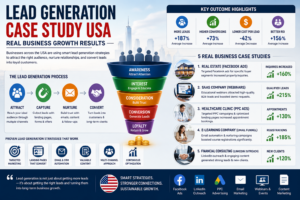
Business professionals analyzing lead generation campaigns and conversion growth strategies
A consumer is nowadays exposed to brands on various platforms prior to becoming a customer. One might come across the brand on social media initially, go on to the website via Google searches, and then end up buying as a result of email marketing campaigns.
As such, companies that depend on a single marketing approach find it difficult to achieve the best possible outcomes. Effective organizations employ several lead generation approaches, including:
Lead generation can yield excellent outcomes, although it can pose certain challenges as well. One such challenge is the wrong target market, which occurs when businesses are more concerned about their website traffic without taking into account the quality of leads.
Another major issue is weak follow-up systems and lack of proper CRM integration, which often leads to lost opportunities even after successful campaigns.
Competitiveness is also rising in nearly all industries. People receive numerous advertisements per day, which means that credibility and differentiation become very important.
The lead generation case study USA article reveals the effectiveness with which companies operating in various sectors are growing their businesses using intelligent marketing approaches.
From companies in the real estate sector that are able to generate more inquiries from customers to SaaS brands that are getting their leads via webinars, effective lead generation campaigns depend on customer behavior and value creation.
The best lead generation system is the one that uses different marketing mediums, target audiences, custom messages, and lead nurturing techniques.
Lead generation is the process of attracting and converting potential customers into prospects who can later become paying clients. It is important because businesses today rely more on qualified leads rather than just website traffic or social media engagement to generate revenue and long-term growth.
Some of the most effective strategies include PPC advertising, Facebook ads, LinkedIn outreach, email funnels, webinars, content marketing, and CRM-based lead nurturing systems. These methods help businesses attract high-intent customers and improve conversion rates.
Lead generation case studies provide real-world examples of how companies successfully improved their customer acquisition process. They help businesses understand what strategies work, how campaigns are structured, and how to scale marketing efforts effectively.
Facebook ads are effective because they allow highly targeted audience segmentation based on interests, behavior, and demographics. This helps businesses reach the right customers and generate more qualified leads instead of general traffic.
Webinars help educate potential customers before selling a product. They build trust, provide value, and attract highly interested prospects. This makes them especially effective for B2B companies looking to generate high-quality leads.
Email marketing helps nurture leads over time by sending targeted content, offers, testimonials, and updates. It is one of the most effective tools for converting cold leads into paying customers through consistent engagement.

Gaurav Madan, Founder and CEO of Autus Digital Agency, is a pioneering figure in digital marketing with experience of 20+ years. His expertise revolutionizes online marketing strategies and leverages digital platforms for business growth. Gaurav’s consumer-centric approach and strategic vision propel diverse industries to position online presence and dominate.


Online reviews help people make smart buying decisions. Before choosing a product or service, many people read customer reviews. They want honest opinions from real users. However, fake reviews have become more common. Because of this, people now check reviews more carefully. A trustworthy review helps customers feel confident. It also helps businesses build a […]
.....
Google is rolling out new AI Performance Reports in Google Search Console. These reports help website owners see how their content appears in Google’s AI-powered search results. This update is important because search is changing fast. Today, people do not only click on blue links. They also get answers from AI Overviews and AI Mode. […]
.....
Instagram has evolved from a simple photo-sharing platform into one of the most powerful online income sources. With millions of active users engaging with brands, creators, and businesses daily, the platform offers numerous opportunities to generate revenue. Whether you are an influencer, entrepreneur, freelancer, or content creator, learning how to earn money on Instagram can […]
.....
Instagram carousel posts have become one of the most effective content formats for increasing engagement, improving reach, and delivering more value to followers. Whether you are a creator, influencer, marketer, or business owner, carousel posts allow you to share multiple images and videos within a single post. However, many users discover after publishing that the […]
.....
The modern digital advertising ecosystem has evolved significantly, and businesses now rely heavily on data-driven advertising systems like Google Ads to achieve scalable growth. This guide provides a structured, informational breakdown of how to build smarter, performance-oriented campaigns designed to improve ROI, optimize targeting, and maximize conversions across competitive industries. The focus is on practical […]
.....
Search engine optimization has evolved far beyond rankings and traffic numbers. In 2026, businesses are investing heavily in SEO because organic visibility directly impacts revenue, lead generation, brand authority, and long-term digital growth. However, one question still dominates boardrooms, marketing meetings, and client discussions: How do you actually measure SEO ROI? SEO ROI, or return […]
.....
SEO Companies in the USA Search engine optimization has become one of the most critical digital marketing channels for businesses aiming to grow online visibility and revenue. In the USA, SEO companies play a major role in helping brands improve rankings, attract qualified traffic, and convert visitors into customers. With search algorithms becoming more advanced […]
.....
In 2026, short-form video content has become one of the most powerful drivers of growth on Instagram. It plays a central role in personal branding, business marketing, and influencer development. Today, video views are no longer treated as a simple vanity metric—they are a key indicator of content reach, algorithm performance, and audience interest. Whether […]
.....
Snapchat is one of the most widely used social media platforms for sharing short-form photos, videos, and disappearing content known as “Stories.” Unlike traditional social networks, Snapchat is built around temporary content that automatically disappears after 24 hours. This unique system has made it extremely popular, but it has also created strong user curiosity around […]
.....
Content has become one of the most important factors for digital marketing in the modern era. If organizations want to stay relevant and gain attention from potential customers through the Internet, then they have to develop their blogs, web pages, social media content, emails, and SEO articles to the highest level. Organizations that consistently produce […]
.....
There has been an enormous increase in the demand for SEO services in recent times because companies have realized that search engine rankings play a crucial role in their ability to generate more sales and lead conversions. The growing pressure on digital marketing agencies to offer effective SEO services stems from this realization by various […]
.....
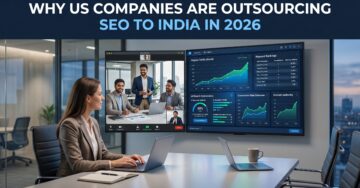
Search engine optimization has become one of the most important digital growth channels for modern businesses. Whether it is a startup trying to establish market presence, an eCommerce brand looking to increase product sales, or a service-based company focused on generating qualified leads, SEO plays a major role in improving visibility, credibility, and long-term business […]
.....
SEO has evolved into one of the most complex digital growth systems in modern marketing. It is no longer limited to ranking websites on Google through keywords and backlinks. SEO by 2026 includes traditional search engines, AI-generated answer systems, and semantic knowledge networks that understand user intent, not just search queries. This transformation has changed […]
.....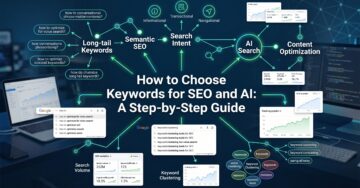
Keyword research is always one of the most crucial aspects of search engine optimization. But with the advent of AI in search, the keyword strategy approach of businesses and marketers has evolved. Search engines don’t care about exact matches of keywords anymore. Today’s algorithms are able to comprehend context, user intent, semantic relationships, and conversational […]
.....
SEO has rapidly changed. In the past, SEO was about improving rankings on the big search engines using the use of keywords and backlinks, among other elements,s to improve visibility on the Google search engine. But that is no longer the case today. As AI-based search engines such as Google AI Overview and Search Generative […]
.....
US Client Case Study: 312% Organic Growth with Autus Digital Search engine optimisation (SEO) is no longer a nice-to-have in today’s digital economy; it’s the lifeblood of service-based businesses. The “Yellow Pages” technology is over for agencies that do HVAC, plumbing, and electrical work. The first web page of Google is in which corporations fight […]
.....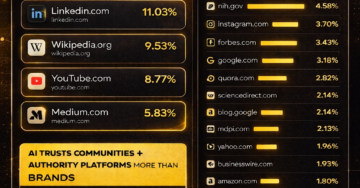
The way people discover information is changing fast. More users are now asking AI tools questions instead of typing every search into Google, and that shift is changing how brands need to think about visibility. If you want your content to appear in AI answers, you need more than traditional SEO. You need content that […]
.....
In today’s visually driven digital landscape, where images convey information faster than text, Google image search emerges as an indispensable tool. This feature empowers users to query the internet using pictures rather than keywords, revolutionizing how we discover, verify, and leverage visual content. From academic researchers tracing historical artifacts to marketers sourcing high-quality visuals for […]
.....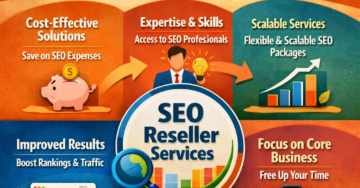
Did you know that companies that outsource their SEO gigs save nearly 30% of costs as compared to handling an in-house team? SEO is a powerful tool but not every business has the expertise of handling it in-house. That’s why hiring an expert SEO reseller in India is worthwhile. It can give you a return […]
.....
In today’s highly competitive digital landscape, businesses understand the importance of Search Engine Optimization (SEO) in driving online visibility, generating leads, and increasing revenue. However, building and maintaining an in-house SEO team can be expensive and resource-intensive. This is why many companies are turning to outsource SEO companies that offer high-quality services at a more […]
.....


