


AI Overviews are transforming how SEO success is achieved in modern search.
Google Search is growing faster than ever, and one of the biggest changes has been in AI-generated search experiences. Google, instead of showing traditional search results, is just directly giving us AI-generated responses to our queries. AI Overviews: These pointers are changing the way people find things, and how websites enjoy visibility.
This represents a seismic shift in what businesses, marketers, bloggers (and publishers) need from an SEO strategy. Being on the first page is still important, but now game-changers like having a reputable source among AI-generated answers are as valuable. Knowing how to optimize for AI Overviews will improve search visibility, establish authority, and drive low-hanging fruit in the form of highly-qualified organic traffic.
This guide outlines newer strategies, content optimization processes, technical SEO enhancements & best practices to help sites rank well in Google’s AI-driven search landscape.
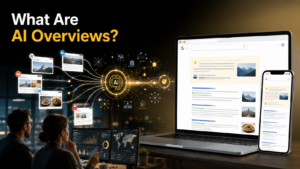
AI Overviews combine information from multiple authoritative sources.
Google AI Overviews are summaries created by an algorithm and presented near the top of search results for many info queries. Instead of a single web page, the AI combines data from various reliable sources into one answer in or around 30 seconds to users conversationally.
In contrast to Featured Snippets, which almost always extract from one page of a site, AI Overviews aggregate and analyze hundreds of credible references before generating an answer. Put another way, websites have to focus on producing high-quality, accurate, and trustworthy content rather than merely optimizing for specific keywords.
This is both a challenge and an opportunity for content creators. Not all answers for users will be found directly within Search, but sites mentioned as references in AI Overviews tend to get more authority and brand recognition while driving self-filling qualified traffic. This means Google’s AI rewards pages where expertise is demonstrated, search intent is answered clearly and fully, and there are further insights achieved beyond your competitors.
SEO has focused on rankings, backlinks, and keywords – topics that search engine algorithms have prioritized for decades. Although these elements are still significant, Google has been intelligently assessing content since 2023. It looks at much more than just your use of keywords in placement and examines context, expertise, user intention, and topical relevance.
Today, search users want instant answers. AI Overviews fulfill that desire by providing brief answers directly in Google Search. Websites that offer non-ambiguous and fact-based content in a clear structure may have higher chances of being chosen as sources for these summaries.
This change incentivizes publishers to distance themselves from dating SEO practices like keyword stuffing or creating thin content. In contrast, driven sites invest in original research, expert insights, and thorough coverage of the topic. Adapting to change early allows businesses to build stronger authority in their niche while improving long-lasting organic visibility.
If you are asking yourself how to do SEO, it is important to note that every good strategy starts with user intent. Instead, Google evaluates the reason why someone is searching before determining which content deserves prime real estate in the SERPs.
Generally, there are only four main categories of search intent:
They are either looking to gain knowledge or try to find answers for questions. These searches often activate AI Split because Google’s native AI can summarize educational content.
Users already know the website or brand they want to visit.
Consumers compare products, services, or software before buying.
These users are prepared to perform an action, whether it be purchasing a good or receiving a service.
When you optimize content in line with informational intent, the chances of appearing within AI Overviews skyrocket. Make Your Content Answer the Main User Query First. Each article should respond to what is usually your main query as quickly as possible before going into detailed explanations.
In recent years, one of the biggest shifts in SEO has been from keyword optimization to topical authority. The AI that Google is championing in its updates understands relationships between subjects, so a comprehensive piece of content will be much more valuable than lots of small articles over similar keywords.
Instead of separate posts on AI search, AI SEO, and Google AI Rankings — publish one comprehensive resource that discusses all the concepts end to end without artificially categorizing them as individual topics. From there, supporting articles can dive deeper into each topic, while still linking to the main guide.
It is a strategy around topic clusters, which helps search engines better understand your expertise and, in turn, increase the overall authority of your site. This also offers a better reader experience by finding all the answers to associated questions in one location.
The focus remains on Google rewarding helpful content that is backed by real experience and provides actual useful information to viewers. But websites will also have trouble getting those articles seen in results served by AI search engines.
Unique value provides new perspectives, useful advice, or personal experience. Do not just rewrite existing articles; explain concepts in your own words with a variety of examples and well-respected references to back up the report and answer questions that you believe are being asked by users.
For instance, adhering to Google’s Experience, Expertise, Authoritativeness and Trustworthiness (EEAT) guidelines also enhances credibility. Professional experience-backed, referenced content that is updated frequently will gain the trust of both readers and Google’s AI systems.
Use simple language when talking about technical concepts so the information comes across without losing accuracy. People like a good explanation, and AI systems can better read well-constructed explanations.
Readers will appreciate well-organized content, and this also allows AI systems to better understand how topics relate. It should include a logical description under headings and sub-headings, and smooth transitions to the next sections.
Each Article should start with an answer and then expand into supporting details. Major topics should therefore be broken out using H2 headings and then use H3 to write the supporting discussions. One reason short paragraphs work is that they help avoid confusion by reducing the cognitive load for those reading them.
Your understanding would also increase by using tables, comparison sections, as well? Definitions, examples, or explanations. However, do not overwrite or add lists that break reading.
The consistent format helps Google understand crucial concepts right away and serves the user by making it easier to find information in long-form content.

Technical SEO strengthens website visibility for AI-powered search.
Technical SEO is crucial because even the best content can go unseen if there are issues preventing search engines from reading or reaching your site. Simply put, AI systems depend on technical signals to judge crawlability, page quality, and the overall user experience.
Get pages to load quickly, the site to display properly on mobile devices, and utilize secure HTTPS connections. In addition, structured data also provides context to article – organization/faq/article groups all help search engines understand what is actually on the page and on your website.
Internal Linking: This continues to be a critical ranking factor for Google Discover, mainly because this enables the search engine to find associated content while spreading authority across your site. Also, descriptive title tags and meta descriptions could undoubtedly improve your whole SEO performance, as well as some optimization of images.
Technical audits are regularly done to check for crawl errors, broken links, duplicate content, and indexing issues that can hamper visibility in AI-generated search experiences.

Building topical authority and EEAT improves visibility in AI-generated search.
Google looks at websites based on overall expertise, not page quality (and all that entails), more and more. Sure, an outstanding article is great to release, but regularly producing detailed content on a topic establishes authority in the long haul.
Create content clusters for all stages of a process. SEO website, publications on in-depth guides and workshops for keyword research, technical SEO, content marketing, link building, structured data, AI search optimization, local seo revenue analytics. As such, these interlinking resources enhance topical relevance and increase chances of inclusion in AI Overviews.
Just as crucial is showing Experience, Expertise, Authoritativeness, and Trustworthiness. Include a byline, Link To A Reputable Industry Source Representation In Content (all these combine) Publishing Date Is Accurate Created At Current Best Practice Regular updates keep content fresh and can set off flags for freshness, as search algorithms become more advanced.
Developing authority takes time, but sites that focus on producing high-quality content, focusing on reliable study findings and value to the user (particularly articles backed by EAT principles) are more likely to find themselves emerging as sources of truth in Google’s results pages powered by AI.
With the increase in sophistication of Google AI empathy (no longer keyword exact match, but understanding relationships between concepts/topics/entities all mixed with intent). This method, called Semantic SEO, lets search engines gain a holistic view of your content instead of matching one or two phrases here and there.
For example, an article on AI Overviews should naturally bring in those terms such as Google Search → EEAT→ structured data → search intent → content quality (YMYL) • natural language processing • Technical SEO. Those related entities help Google’s AI determine your page covers that topic in detail.
Instead of jamming the main keyword all over, write normally and use relevant keywords while writing. Topical relevance is then strengthened, making this easier to read.
Although Google may not directly pick up on structured data when deciding who makes it into AI Overviews, displaying semantically precise content conveys a greater understanding of context to search engines. Type of Schema markup: It gives Google the extra details it needs to glean these vital bits of information about your pages.
Article Schema is a must for articles that are all about how to have more information. FAQ Schema, Breadcrumb Schema, Organization schema, and Author schema also improve search visibility depending on the context. They are all built-in signals that better organize content and help Google learn about entities and their relationships.
Structured data must always correspond to the content that is visible on the page. Incorrect or misleading schema data can impact trust and search performance in a bad way.
SEO is never a one-and-done, and AI Overviews will need to be monitored in an ongoing fashion for optimization. Clicking publish on an article is just the beginning. Examine Your Users’ Engagement with your content and find out where to improve.
Monitor impressions, clicks, average position & index status with the help of tools like Google Search Console. It allows you to measure user engagement, bounce rate, and conversion rates using Google Analytics 4. Regular review of this data enables you to enhance low-performing pages and further build on sections that generate the most traffic.
Another factor: how fresh is the content? Keep your article updated by refreshing statistics, screenshots/examples, and recommendations that become out of date as Google’s AI grows.
Old-school SEO is why so many websites are left out of AI-generated search results. Steering clear of these common blunders can greatly enhance your likelihood of achieving success.
The biggest has been publishing too thin content that offers surface-level information. As such, AI capabilities tend to favour of rich resources that address a range of interconnected needs. The same goes for keyword stuffing, where users are just stuffed with keywords and not much more.
Now, another of the most common mistakes is ignoring technical SEO. Name themselves, Slow-loading pages, and even poor mobile usability or broken internal links & Crawl errors wouldn’t allow you to see the light of day before higher-level content.
Finally, avoid copying competitor articles. Google would not be able to filter out old, unique, and expert content, since the helpful information systems reward identity over duplication.
Future SEO is going away from page rank of search engines to actually understanding the content. In short, when AI is going to be helping it will really depend for the long-term success on websites who focused in users instead of algorithms.
Voice search, conversational queries, and also a good example of multimodal searches and AI-generated responses will impact how people interact with search engines. Focus on topical authority, building trustworthy resources, and showing true expertise.
Stop chasing algorithm updates and instead create a strategy based around solving user problems. It will only become more important to create high-quality content that answers actual questions, regardless of future technology changes.
But optimizing for AI Overviews is a different beast entirely than traditional SEO. Instead, success is a function of crafting thorough and authoritative content — both the writing and multimedia assets are considered here — that supplies an unambiguous answer to search intent alongside E-E-A-T. Communicate with Google; in other words, the better your technical SEO, semantic optimization, and structured Data are covered. Equally, applying internal link strategies and updating content regularly means a lot for visibility from artificial intelligence on search results given by Google.
As search evolves, sites that focus on creating high-quality, informative, and authoritative resources will be the best suited for traditional rankings as well as having generators of AI responses cite their work.
Learning how to optimize for AI Overviews is now required reading for the long-term health of your SEO. Instead of ranking tactics that worked back in the day, invest your time writing great content to actually help users and making it computer-easy for Google AI.
One of the most significant changes in Google Search history is when AI Overviews were introduced. The search landscape is changing, but the main idea has not changed: build quality content that helps people make better decisions.
Businesses and publishers investing in expertise, originality, and engineering-grade quality parts of the web and learning within a broad topical coverage will continue to be rewarded as AI increasingly shapes search experiences. Stop seeing AI as a threat, and see it as an opportunity to create the best content that you can for your users, but also for search engines (and now even Google) to trust.
Implementing the strategies outlined in this guide will ensure your website is ready to take advantage of greater visibility, authority, and competitive modern SEO with AI.
Google AI Overviews are AI-generated summaries that appear at the top of search results for many informational queries. They combine information from multiple trusted sources to provide users with quick and comprehensive answers.
AI Overviews often occupy the most visible area of search results, influencing user attention before traditional organic listings. Being cited in these summaries can significantly increase brand visibility and authority.
Focus on answering user questions directly, building topical authority, using clear content structures, implementing structured data, demonstrating expertise, and creating comprehensive content clusters around your target topics.
Yes. Core SEO fundamentals such as technical optimization, mobile responsiveness, site speed, internal linking, quality content, and strong Core Web Vitals remain essential for visibility in both traditional search and AI-generated results.
Informational content that clearly answers questions, covers related topics comprehensively, demonstrates expertise, and provides factual, well-structured information has the highest chance of being referenced by AI systems.

Gaurav is working on various verticals like IT & Software Solutions | Digital Marketing | E-Commerce | BPO | Outsourcing | Offshoring | Global Deliveries | Exports | Education. Gaurav believes in CHANGE, which is constant throughout the LIFE so be with the CHANGE Gaurav is having, In-depth experience in IT Solutions, Offshoring, Internet Branding, Sales & Marketing, Managing New Projects & Processes, Solution Designing and Transitioning of New International and Domestic business engagements. Proficient at managing & leading teams to run successful operations & experienced in developing procedures, service standards, client satisfaction using standard frameworks for business excellence.


The pharmaceutical industry has become increasingly digital, with healthcare professionals, patients, and researchers relying on search engines to discover medications, treatment options, clinical research, and healthcare providers. As competition intensifies, pharmaceutical companies need specialized SEO strategies that not only improve search visibility but also comply with strict healthcare regulations. Unlike general SEO agencies, top pharmaceutical […]
.....
Artificial intelligence is transforming how people discover information online. Instead of relying solely on traditional search engines, users increasingly ask questions in platforms such as ChatGPT, Google AI Overviews, Microsoft Copilot, Gemini, Claude, and Perplexity. This shift has introduced new optimization strategies that extend beyond conventional SEO. Among the newest discussions in technical SEO are […]
.....
Why Business Directories Still Matter for Local SEO and Customer Discovery In an era dominated by search engines and social media, many businesses overlook the importance of business directories. However, online directories remain one of the most effective ways to improve local SEO, strengthen online visibility, and help potential customers find products and services. A […]
.....
Local businesses depend on visibility in search results to attract nearby customers. However, even the best-optimized web pages cannot generate traffic if search engines fail to discover and index them quickly. This is where Rapid URL Indexer becomes valuable. It helps website owners, marketers, and SEO professionals accelerate the indexing process, ensuring important pages appear […]
.....
Imagine investing months into building a website, publishing content, optimizing pages, and running marketing campaigns—without knowing whether anyone is actually visiting your site. In today’s highly competitive digital landscape, making decisions without traffic data is like navigating unfamiliar roads without a map. Website traffic analysis has become one of the most important aspects of digital […]
.....
Google Expands Publisher Visibility with Search Profiles Google has officially begun rolling out Search Profiles within Google Discover in the United States, introducing a new way for publishers, creators, and brands to establish a stronger presence across Google’s ecosystem. The feature creates dedicated publisher landing pages that allow users to follow content sources, explore recent […]
.....
Why SEO Keyword Research Is the Foundation of Search Success In the modern search landscape, success is no longer about simply inserting keywords into content. It is about understanding what users are searching for, why they are searching for it, and how you can deliver the most relevant and valuable answer at the right moment. […]
.....
: Marketing companies are always under pressure to come up with more effective strategies for their clients, all the while juggling various projects simultaneously. As the expectations of their clients keep rising, most firms find it increasingly challenging to take care of all SEO-related aspects themselves. Increased staffing and costly tools may result in higher […]
.....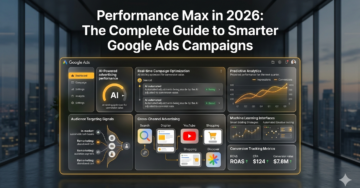
The modern digital advertising ecosystem has evolved significantly, and businesses now rely heavily on data-driven advertising systems like Google Ads to achieve scalable growth. This guide provides a structured, informational breakdown of how to build smarter, performance-oriented campaigns designed to improve ROI, optimize targeting, and maximize conversions across competitive industries. The focus is on practical […]
.....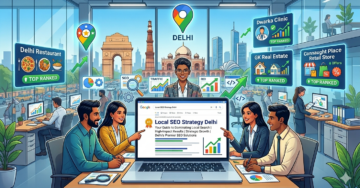
Delhi is one of the most competitive markets in India in terms of doing business. No matter what type of service you offer in your company, whether it’s restaurants, law firms, medical clinics, real estate agencies, educational institutes, or retail stores, people are now turning to the internet for help locating these services. Your company […]
.....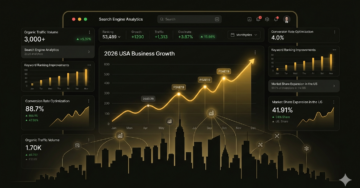
SEO Companies in the USA Search engine optimization has become one of the most critical digital marketing channels for businesses aiming to grow online visibility and revenue. In the USA, SEO companies play a major role in helping brands improve rankings, attract qualified traffic, and convert visitors into customers. With search algorithms becoming more advanced […]
.....
Online presence is one key factor that can determine a business’s success in the modern age. Whether you are selling something or just promoting your brand name, having an effective SEO strategy would help you rank well. With customers checking for information online, SEO is a crucial strategy that should be taken seriously by all […]
.....
Today, SEO is considered the most essential investment in terms of digital marketing by all organizations. Whether it’s a local business, an e-commerce website, a software business, or even an enterprise-level business, having an online presence is necessary to get more visitors. In today’s world, however, SEO does not consist only of stuffing keywords into […]
.....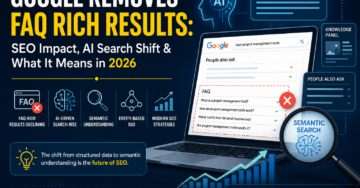
Google’s handling of FAQ rich results has become one of the most misunderstood developments in modern SEO. Many people describe it as a complete removal, but the reality is more nuanced. FAQ structured data still exists under Schema.org and continues to be supported by Google Search Central, yet its visibility in search results has been […]
.....
SEO has evolved into one of the most complex digital growth systems in modern marketing. It is no longer limited to ranking websites on Google through keywords and backlinks. SEO by 2026 includes traditional search engines, AI-generated answer systems, and semantic knowledge networks that understand user intent, not just search queries. This transformation has changed […]
.....
Search engine optimization has changed dramatically over the past few years. Google is using AI to power search results, user intent is more important than exact-match keywords, and competition is growing in almost every niche.Google is using AI to power search results, user intent is more important than exact-match keywords, and competition is growing in […]
.....
SEO is considered to be the most critical element for digital success. SEO is no longer limited to keyword placement and creating backlinks. Contemporary SEO entails technical optimization, content strategy, competition research, and monitoring. Due to these intricate processes, most companies choose to outsource their SEO tasks rather than handle them within their organizations. The […]
.....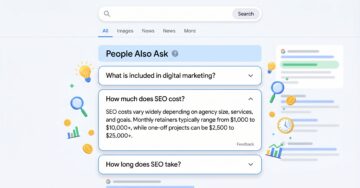
When people use Google to search for anything nowadays, they frequently come across an option known as the People Also Ask box. This is where Google provides you with several questions related to your search topic. It is not there by accident because it is part of how people research online and provides significant benefits […]
.....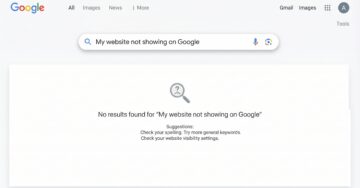
Your website is built meticulously. You have put in all your service offerings and contact information, and perhaps shared the website URL too. However, if your website not showing up on Google search, it can be frustrating when your company doesn’t appear anywhere. This is a scenario that is very common today in 2026. Thankfully, […]
.....
There is no chance your web pages will appear in search results without being indexed by Google. This implies that you might lose out even though the content you have created is very useful and relevant. Knowing how to submit your URL to Google Search can help you rank better. This procedure is often performed […]
.....


