


In the modern search landscape, success is no longer about simply inserting keywords into content. It is about understanding what users are searching for, why they are searching for it, and how you can deliver the most relevant and valuable answer at the right moment. This is where SEO Keyword Research becomes the backbone of every successful SEO and content strategy.
At its core, keyword research is the process of discovering the exact words, phrases, and questions your target audience uses on search engines. But in 2026, it goes far beyond basic search volume analysis. It now includes intent mapping, competitor intelligence, topic clustering, and user journey alignment. Search engines have become more intelligent, prioritizing content that demonstrates topical authority and satisfies search intent comprehensively.
Whether you are building a blog, an eCommerce store, or a service-based website, keyword research determines:
Without proper keyword research, even high-quality content may fail to rank or attract the right audience. In contrast, a strong keyword strategy ensures every piece of content works like a strategic asset—bringing organic traffic, qualified leads, and long-term visibility.
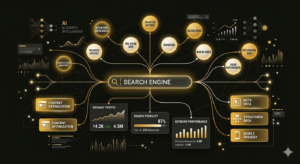
Understanding how keyword research connects search engines, users, and content strategy.
SEO Keyword Research is the process of identifying and analyzing search terms that people enter into search engines like Google, Bing, and AI-driven search platforms. The goal is to understand demand, competition, and intent behind those queries so you can create content that ranks and converts.
Modern keyword research is not just about finding high-volume terms. Instead, it focuses on finding relevant, intent-driven keywords that align with your business goals and audience needs.
At a strategic level, keyword research helps you:
A strong keyword strategy also prevents wasted effort. Instead of guessing what to write, you rely on data-driven insights that guide your content roadmap supported by industry tools like Moz SEO Guide and Ahrefs Keyword Research.
The biggest mistake many beginners make is targeting keywords only based on volume. High traffic does not always mean high value. A keyword with lower volume but strong intent can often generate far more conversions.
Ultimately, keyword research acts as the blueprint for your entire SEO strategy. It tells you what to create, how to structure it, and where your opportunities lie in the search ecosystem.
One of the most critical aspects of SEO keyword research is understanding search intent—the reason behind a user’s search query. Google now prioritizes intent satisfaction over keyword matching, making this step essential for ranking success.
Search intent can be categorized into four main types:
Users are looking for knowledge or answers.
Examples:
Users want to reach a specific website or brand.
Examples:
Users are ready to take action or make a purchase.
Examples:
Users are comparing options before making a decision.
Examples:
Understanding these categories helps you map keywords to the correct stage of the user journey.
When conducting keyword research, always ask:
By aligning keywords with intent, you ensure your content is not just visible—but valuable.
A structured approach is essential for building a scalable keyword strategy. Instead of randomly collecting keywords, you need a repeatable process that helps you consistently discover high-intent opportunities.
Here is a practical workflow for SEO keyword research:
Start by identifying broad topics related to your niche. These act as the foundation of your keyword strategy.
Examples:
Use SEO tools to generate variations and long-tail keywords.
Common expansion methods:
Evaluate each keyword based on performance indicators:
Not all keywords are worth targeting. Focus on those that:
Instead of targeting isolated keywords, group them into topic clusters:
Assign each keyword cluster to specific content types:
Following this process ensures your SEO efforts are systematic, scalable, and aligned with search engine expectations.
Using the right tools is essential for efficient and accurate SEO Keyword Research. These tools help you uncover search demand, analyze competition, and discover content opportunities that are not immediately obvious.
Modern SEO relies on a combination of free and paid tools, each serving a different purpose in the research workflow.
By combining multiple data sources, you reduce guesswork and increase the accuracy of your keyword strategy. This allows you to focus only on keywords that have real potential to drive traffic and business results.
Advanced SEO Keyword Research Strategies for Higher Rankings
Once you understand the basics of SEO Keyword Research, the next step is moving beyond simple keyword collection into strategic optimization. This is where most websites fail—they stop at keyword discovery and never transform those keywords into a structured ranking system.
Advanced keyword research focuses on building topical authority, not just targeting individual keywords. Search engines today evaluate entire content ecosystems, not standalone pages. That means your keyword strategy must connect topics, intent, and content structure into one unified system.
At this stage, your goal shifts from “finding keywords” to:
By applying these methods, you move from basic SEO execution to authority-level content planning.
Keyword clustering is one of the most powerful techniques in modern SEO Keyword Research. Instead of targeting one keyword per page, you group semantically related keywords into clusters and create content that covers them comprehensively.
This approach helps search engines understand that your website is an authority on a topic, not just a keyword-stuffed page.
Main Topic: SEO Keyword Research
Cluster Keywords:
Instead of writing separate pages for each, you build:
Keyword clustering is what separates basic SEO content from high-performing authority websites.
One of the fastest ways to improve your SEO Keyword Research strategy is by analyzing what your competitors are already ranking for—and identifying what they are missing.
Competitor keyword gap analysis helps you uncover high-value keywords that you are not targeting but your competitors are successfully ranking for.
When combined with clustering, this strategy becomes extremely powerful because it allows you to build authority faster than competitors who rely on traditional keyword research methods.
Keyword research has no real value unless it is translated into a structured content plan. This is where many SEO strategies break down—they collect data but fail to execute it effectively.
Keyword mapping is the process of assigning specific keywords to specific pages, ensuring that every piece of content has a clear purpose within your SEO ecosystem.
Main Topic: SEO Keyword Research
Proper mapping turns your website into a structured search asset instead of a random collection of blog posts.
The final step in advanced SEO Keyword Research is transforming keyword data into a scalable content system. This means building a repeatable framework that continuously generates traffic and rankings over time.
Instead of focusing on individual pages, you focus on building content engines.
This is the stage where SEO Keyword Research becomes a full growth strategy rather than just a marketing task.
SEO Keyword Research in 2026 is no longer about collecting keywords—it is about building intelligent content ecosystems that align with search intent, user behavior, and topical authority.
Search engines are evolving rapidly, integrating AI-driven understanding of content quality and context. This means that websites that rely on outdated keyword stuffing or isolated targeting will continue to lose visibility.
To succeed, focus on:
When these elements work together, keyword research becomes a powerful engine for consistent rankings, traffic, and conversions supported by industry standards like Google Search Central SEO guidelines.

Gaurav is working on various verticals like IT & Software Solutions | Digital Marketing | E-Commerce | BPO | Outsourcing | Offshoring | Global Deliveries | Exports | Education. Gaurav believes in CHANGE, which is constant throughout the LIFE so be with the CHANGE Gaurav is having, In-depth experience in IT Solutions, Offshoring, Internet Branding, Sales & Marketing, Managing New Projects & Processes, Solution Designing and Transitioning of New International and Domestic business engagements. Proficient at managing & leading teams to run successful operations & experienced in developing procedures, service standards, client satisfaction using standard frameworks for business excellence.


The pharmaceutical industry has become increasingly digital, with healthcare professionals, patients, and researchers relying on search engines to discover medications, treatment options, clinical research, and healthcare providers. As competition intensifies, pharmaceutical companies need specialized SEO strategies that not only improve search visibility but also comply with strict healthcare regulations. Unlike general SEO agencies, top pharmaceutical […]
.....
Artificial intelligence is transforming how people discover information online. Instead of relying solely on traditional search engines, users increasingly ask questions in platforms such as ChatGPT, Google AI Overviews, Microsoft Copilot, Gemini, Claude, and Perplexity. This shift has introduced new optimization strategies that extend beyond conventional SEO. Among the newest discussions in technical SEO are […]
.....
Why Business Directories Still Matter for Local SEO and Customer Discovery In an era dominated by search engines and social media, many businesses overlook the importance of business directories. However, online directories remain one of the most effective ways to improve local SEO, strengthen online visibility, and help potential customers find products and services. A […]
.....
Local businesses depend on visibility in search results to attract nearby customers. However, even the best-optimized web pages cannot generate traffic if search engines fail to discover and index them quickly. This is where Rapid URL Indexer becomes valuable. It helps website owners, marketers, and SEO professionals accelerate the indexing process, ensuring important pages appear […]
.....
Google Search is growing faster than ever, and one of the biggest changes has been in AI-generated search experiences. Google, instead of showing traditional search results, is just directly giving us AI-generated responses to our queries. AI Overviews: These pointers are changing the way people find things, and how websites enjoy visibility. This represents a […]
.....
Imagine investing months into building a website, publishing content, optimizing pages, and running marketing campaigns—without knowing whether anyone is actually visiting your site. In today’s highly competitive digital landscape, making decisions without traffic data is like navigating unfamiliar roads without a map. Website traffic analysis has become one of the most important aspects of digital […]
.....
Google Expands Publisher Visibility with Search Profiles Google has officially begun rolling out Search Profiles within Google Discover in the United States, introducing a new way for publishers, creators, and brands to establish a stronger presence across Google’s ecosystem. The feature creates dedicated publisher landing pages that allow users to follow content sources, explore recent […]
.....
: Marketing companies are always under pressure to come up with more effective strategies for their clients, all the while juggling various projects simultaneously. As the expectations of their clients keep rising, most firms find it increasingly challenging to take care of all SEO-related aspects themselves. Increased staffing and costly tools may result in higher […]
.....
The modern digital advertising ecosystem has evolved significantly, and businesses now rely heavily on data-driven advertising systems like Google Ads to achieve scalable growth. This guide provides a structured, informational breakdown of how to build smarter, performance-oriented campaigns designed to improve ROI, optimize targeting, and maximize conversions across competitive industries. The focus is on practical […]
.....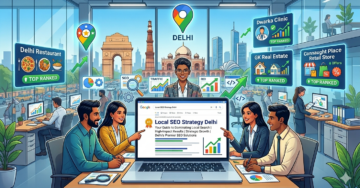
Delhi is one of the most competitive markets in India in terms of doing business. No matter what type of service you offer in your company, whether it’s restaurants, law firms, medical clinics, real estate agencies, educational institutes, or retail stores, people are now turning to the internet for help locating these services. Your company […]
.....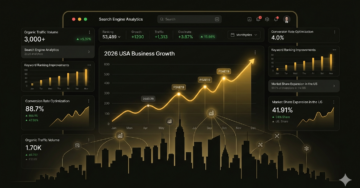
SEO Companies in the USA Search engine optimization has become one of the most critical digital marketing channels for businesses aiming to grow online visibility and revenue. In the USA, SEO companies play a major role in helping brands improve rankings, attract qualified traffic, and convert visitors into customers. With search algorithms becoming more advanced […]
.....
Online presence is one key factor that can determine a business’s success in the modern age. Whether you are selling something or just promoting your brand name, having an effective SEO strategy would help you rank well. With customers checking for information online, SEO is a crucial strategy that should be taken seriously by all […]
.....
Today, SEO is considered the most essential investment in terms of digital marketing by all organizations. Whether it’s a local business, an e-commerce website, a software business, or even an enterprise-level business, having an online presence is necessary to get more visitors. In today’s world, however, SEO does not consist only of stuffing keywords into […]
.....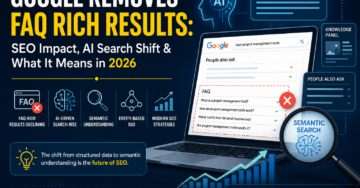
Google’s handling of FAQ rich results has become one of the most misunderstood developments in modern SEO. Many people describe it as a complete removal, but the reality is more nuanced. FAQ structured data still exists under Schema.org and continues to be supported by Google Search Central, yet its visibility in search results has been […]
.....
SEO has evolved into one of the most complex digital growth systems in modern marketing. It is no longer limited to ranking websites on Google through keywords and backlinks. SEO by 2026 includes traditional search engines, AI-generated answer systems, and semantic knowledge networks that understand user intent, not just search queries. This transformation has changed […]
.....
Search engine optimization has changed dramatically over the past few years. Google is using AI to power search results, user intent is more important than exact-match keywords, and competition is growing in almost every niche.Google is using AI to power search results, user intent is more important than exact-match keywords, and competition is growing in […]
.....
SEO is considered to be the most critical element for digital success. SEO is no longer limited to keyword placement and creating backlinks. Contemporary SEO entails technical optimization, content strategy, competition research, and monitoring. Due to these intricate processes, most companies choose to outsource their SEO tasks rather than handle them within their organizations. The […]
.....
When people use Google to search for anything nowadays, they frequently come across an option known as the People Also Ask box. This is where Google provides you with several questions related to your search topic. It is not there by accident because it is part of how people research online and provides significant benefits […]
.....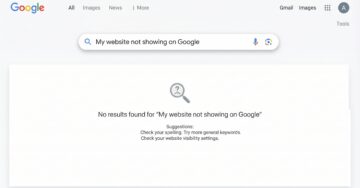
Your website is built meticulously. You have put in all your service offerings and contact information, and perhaps shared the website URL too. However, if your website not showing up on Google search, it can be frustrating when your company doesn’t appear anywhere. This is a scenario that is very common today in 2026. Thankfully, […]
.....
There is no chance your web pages will appear in search results without being indexed by Google. This implies that you might lose out even though the content you have created is very useful and relevant. Knowing how to submit your URL to Google Search can help you rank better. This procedure is often performed […]
.....


