


In the ever-evolving digital landscape, mastering SEO keyword research is critical for driving targeted traffic and ensuring business growth. At Autus Digital Agency, we specialize in transforming keyword insights into actionable strategies that fuel visibility, engagement, and conversions. This guide will walk you step by step through the process of how to do keyword research for SEO, leveraging the best keyword research tools, and crafting content that meets user intent.
Before diving into keyword strategies, it’s essential to understand what keywords are and how they impact SEO.
Keywords are the terms and phrases users type into search engines when looking for information, products, or services. They act as a bridge connecting your content with potential customers. Keywords can be broadly categorized as:
Understanding the types of keywords allows you to match content with user intent, increasing engagement and conversions.
Ready to boost your visibility with targeted keywords? Contact Autus Digital Agency for a personalized keyword strategy today.
In the world of digital marketing, keywords are much more than just words on a page—they are the bridge connecting your business to potential customers. Choosing the right keywords forms the foundation of any successful SEO strategy. At Autus Digital Agency, we understand that effective keyword research is the first step to driving measurable results for your business.
At Autus Digital Agency, we combine deep expertise with advanced tools to perform in-depth keyword research tailored to your business goals. From analyzing competitors to uncover high-intent terms, to clustering keywords for content strategy, our team ensures your website reaches the right audience at the right time.
Don’t let your content go unnoticed. Partner with Autus Digital Agency and leverage our SEO keyword research services to boost traffic, improve rankings, and convert clicks into loyal customers. Start your journey to higher visibility today.
Keyword research is the systematic process of discovering, analyzing, and selecting the terms and phrases that your target audience uses when searching for products, services, or information online. It is a critical step in any SEO strategy because it helps you understand the language of your customers and the intent behind their searches. At Autus Digital Agency, we approach keyword research as both a science and an art—balancing data-driven insights with a deep understanding of user behavior.
At Autus Digital Agency, we combine technology and expertise to conduct competitors keyword research, uncovering hidden opportunities for your business.
Even experienced marketers fall into common traps:
1. Ignoring Search Intent
Targeting keywords without understanding the user’s purpose can lead to irrelevant traffic and low engagement. Always align keywords with what your audience actually wants.
2. Focusing Only on Search Volume
High search volume doesn’t always mean high conversions. Prioritize keywords that attract the right audience and match your business goals.
3. Relying Solely on Tools
SEO tools are helpful for data, but they don’t replace a strategic approach. Success comes from combining insights with planning and creativity.
4. Keyword Cannibalization
Having multiple pages competing for the same keyword can hurt your rankings. Ensure each page targets unique, relevant keywords to maximize SEO effectiveness.
Avoid these mistakes by adopting a structured and professional keyword research process—one that balances data, strategy, and user intent.
Keyword research is more than running queries through SEO tools—it’s about making sure your SEO strategy aligns with your business objectives. Tools can give you data, like search volume or difficulty, but they don’t know your goals or your audience. That’s why it’s essential to start with your business strategy first.
Ask Key Questions:
By starting with business goals, you ensure that every keyword you select has strategic importance. This approach helps you:
At Autus Digital Agency, we focus on aligning SEO campaigns with your business objectives. We don’t just find keywords—we identify opportunities that drive traffic, leads, and growth for your business.
Your seed keyword list is the foundation of a strong SEO strategy. It serves as the starting point for uncovering the terms that will drive traffic and conversions.
To create your seed list:
Struggling to identify your seed keywords? Let Autus Digital Agency create a customized seed list for your business.
A comprehensive keyword strategy starts with a diverse and well-researched list. Expanding your keywords from multiple sources helps you uncover high-intent opportunities, niche topics, and emerging trends that competitors may overlook.
By diversifying your keyword sources, you ensure your strategy covers both high-volume, high-intent terms and unique niche opportunities. This approach builds a strong foundation for content creation, SEO performance, and sustainable growth.
Understanding search intent is critical to selecting the right keywords and creating content that truly resonates with your audience. Search intent defines what users are looking for and shapes the type of content you should produce.
By analyzing intent before evaluating keyword difficulty, you can prioritize terms that are most likely to drive meaningful engagement and conversions. This approach maximizes ROI, ensuring your content aligns with what users actually want.
Unlock the full potential of your SEO strategy. Partner with Autus Digital Agency for professional, intent-driven keyword research services that deliver results.
Keyword metrics like search volume and difficulty provide valuable insights, but they don’t tell the full story. To make strategic decisions, you need to understand the search engine results pages (SERPs) for your target keywords.
Analyzing SERPs allows you to move beyond raw metrics and create content that aligns with user expectations, increases visibility, and outperforms competitors. Our SEO keyword research services include comprehensive SERP analysis to guide content strategy and maximize results.
Choosing the right keywords goes beyond simply finding popular search terms. Effective evaluation ensures your efforts target high-value opportunities that align with both SEO goals and business objectives.
By carefully weighing these metrics, you can prioritize keywords that offer the best combination of visibility, relevance, and ROI. Our SEO keyword research services provide detailed guidance on evaluating and selecting high-value keywords, helping your content achieve maximum impact.
Targeting low-competition keywords is a smart strategy for achieving faster SEO results while still driving highly relevant traffic. These opportunities allow your website to rank more quickly, establish authority, and capture audiences that competitors may be overlooking.
Identifying and targeting low-competition opportunities is a key tactic for accelerating rankings without engaging in costly, high-competition battles. Our SEO keyword research services provide a detailed roadmap to uncover these hidden gems, helping you achieve faster, sustainable growth in search visibility.
Clustering your keywords into meaningful topics is a crucial step in building your website’s topical authority and improving SEO performance. By grouping related keywords, you ensure your content addresses user intent comprehensively and creates a cohesive structure for both search engines and visitors.
Organizing keywords into clusters is more than an SEO tactic—it’s a strategic approach to content planning. Our SEO keyword research services include detailed topic clustering recommendations, helping you structure content hubs that maximize rankings, improve internal linking, and deliver an exceptional user experience.
Once you have a finalized list of high-intent keywords, the next critical step is to assign them to the most appropriate pages on your website. This process ensures that each page is strategically optimized for search engines while providing a seamless user experience.
Confused about how to assign keywords effectively? Our SEO keyword research services include detailed page assignment plans, complete with actionable recommendations, priority lists, and guidance on avoiding common pitfalls like cannibalization or irrelevant placement. With precise keyword mapping, every page on your site is positioned to perform optimally in search results.
To strengthen your SEO strategy, build comprehensive content around core topics rather than focusing on isolated keywords. Cover related subtopics in depth so your website demonstrates clear expertise and provides complete value to users. This approach helps search engines understand that your site is a trustworthy source within your niche.
Internal linking also plays a major role in SEO performance. By linking related pages together, you pass relevance and authority across your website while helping users move easily between connected topics. This improves navigation, keeps visitors engaged longer, and supports a better overall user experience.
When content is organized into clusters around a central theme, it becomes easier to establish topical authority. For example, a main pillar page can be supported by several related articles that explore specific aspects of the topic in more detail. Together, these pages create a strong content structure that reinforces your expertise.
Combining strong content clusters with strategic internal linking can improve both search visibility and usability. It signals to search engines that your website covers the subject thoroughly, while also making it simpler for users to find the information they need. Over time, this creates a stronger SEO foundation and helps your website build lasting authority in your niche.
Finally, convert your keyword research into a detailed and actionable content brief. This step is important because keyword data alone is not enough to guide content creation effectively. A strong content brief helps writers, editors, and SEO teams stay aligned on the topic, search intent, structure, and conversion goals from the start.
Turning research into a content brief ensures that every piece of content is built with purpose. It reduces confusion, improves consistency, and helps content teams create material that is optimized for both rankings and conversions. Instead of writing without direction, your team works from a clear plan that connects keywords, structure, and business goals.
For best results, the brief should also mention tone of voice, target audience, word count, internal linking suggestions, and any brand messaging requirements. These extra details make the final content more effective and easier to publish at scale. When keyword research is translated into a well-structured brief, it becomes much easier to create content that performs well from the beginning.
With AI-driven search like ChatGPT, Bing AI, and Google SGE:
Autus Digital Agency integrates AI insights into our SEO keyword research services, ensuring your content meets modern search expectations.
Choosing the right keyword research tools can make a major difference in your SEO results. The best tools help you find search volume, keyword difficulty, competition levels, user intent, and content opportunities. When combined with a clear strategy, they can improve rankings, save time, and help you attract the right audience.
Each tool has a different strength, so the best approach is to use them together. One tool may show search volume, another may reveal competition, and another may help you find content ideas. This gives you a more complete view of the keyword landscape.
A smart keyword strategy is not only about finding popular terms. It is also about choosing keywords that match user intent and support business goals. When you combine the right tools with the right strategy, you improve your chances of getting better rankings more qualified traffic, and a stronger return on investment.
Keyword research is an important part of SEO, but many people make avoidable mistakes that hurt rankings and traffic. To improve results, focus on the right keywords and avoid these common issues:
A strong keyword strategy helps you improve rankings, attract the right audience, and get better SEO results over time.
By following this workflow, your content strategy remains structured, scalable, and SEO-focused.
Take your keyword strategy to the next level with Autus Digital Agency, AI-powered digital marketing agency. Book a free consultation today. Mastering keyword research in SEO is more than using tools; it’s about strategic alignment, understanding intent, and leveraging data for growth. With a structured approach, insights from competitors keyword research, and expert execution, your business can dominate search results and drive meaningful conversions.
Start winning at SEO today. Contact Autus Digital Agency, an SEO company in India, for personalized SEO keyword research services that deliver measurable results.

Gaurav Madan, Founder and CEO of Autus Digital Agency, is a pioneering figure in digital marketing with experience of 20+ years. His expertise revolutionizes online marketing strategies and leverages digital platforms for business growth. Gaurav’s consumer-centric approach and strategic vision propel diverse industries to position online presence and dominate.


Table of Contents1. Understanding Snapchat Friendship Emojis2. What Does the Yellow Heart Mean on Snapchat?3. What Does a Yellow Heart Mean Outside Snapchat?4. Why Snapchat Uses Friendship Emojis5. How Snapchat Best Friends Work6. How to Get the Yellow Heart on Snapchat7. How Long Does It Take to Get the Yellow Heart?8. What Happens After the Yellow Heart?9. Red Heart Snapchat Meaning10. Pink Hearts Snapchat Meaning11. Why […]
.....
Table of Contents1. What is First-Party Data?2. Why First-Party Data is Valuable3. 1. Loss of Third-Party Cookies4. 2. Stricter Privacy Laws5. 3. Consumer Confidence and Transparency6. 4. Better Personalization7. How to Develop a Privacy-Focused Marketing Approach to Data Collection8. 1. Communicate Clearly About the Collection of Data9. 2. Collect Only What You Need10. 3. Make Consent the Foundation11. Effective Tactics to Facilitate Ethical First-Party Data Collection12. 1. Offer Value in […]
.....
Table of Contents1. 1. Know What Generative AI Can (and Can’t) Do2. 2. Start With a Human-Driven Strategy3. 3. Humanizing AI-Generated Content Using Your Brand Voice4. 4. Blend Data and Empathy5. 5. Leverage AI to Spark Creativity, Not Crush It6. 6. Always Verify for Truth and Authenticity7. 7. Add Human Faces and Voices8. 8. Be Transparent About AI Use (When It Matters)9. 9. Teach AI Your Brand’s Distinctive Voice10. 10. […]
.....
Table of Contents1. What is High-Quality Content?2. Importance of High-quality Content for SEO3. 10 Simple Ways To Create Quality Content4. Address Your Customer’s Needs5. Align Your Content with Business Goals6. Choose Proper Formats7. Keep a Check on Content Readability8. Stay Updated With Trending Content Topics9. Do Research To Establish Trust10. Capitalize Content on Your Own Experience11. Target a Niche Subtopic12. Update Your Content13. Measure Your Content’s Performance14. Level Up […]
.....
Table of Contents1. What Is Content Marketing In SEO?2. How Does Content Marketing Help SEO?3. How Do You Integrate SEO Into Your Content?4. 7 Steps to Create a Successful SEO Content Marketing Strategy5. Content Marketing vs PPC Advertising: Which One Is Better?6. Pros and Cons of Content Marketing7. Pros and Cons of PPC Advertising8. Key Takeaways9. Trust Autus Digital Agency For an Effective SEO […]
.....
Table of Contents1. What Is Content Marketing?2. Now, Let’s See Why Content Marketing Is Essential in 20223. Content Is at the Heart of Digital Marketing:4. Content Warms Up Your SEO:5. You Can Nurture Your Prospects with Content:6. Content Brings Very Attractive ROI:7. Content Marketing Is Cost-Effective:8. Content Educates:9. Content Gives You a Competitive Edge:10. HOW YOUR CONTENT MUST BE LIKE FOR THE PURPOSE?11. Wow! Excellent Content […]
.....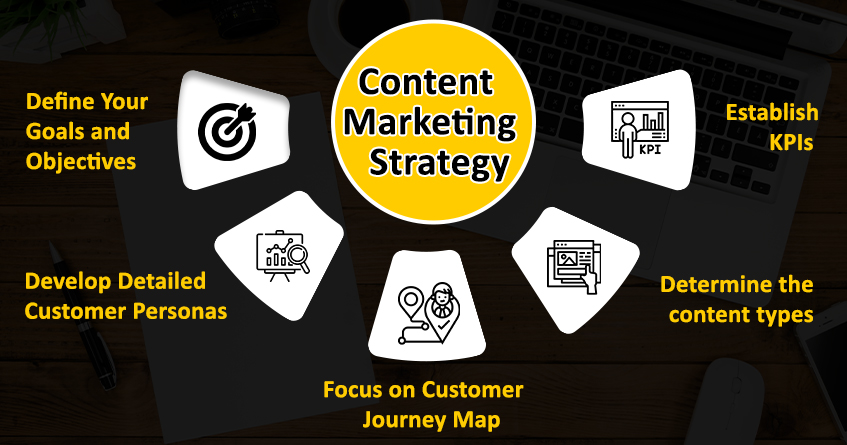
Table of Contents1. Why Content Marketing in the First Place?2. How to Achieve Content Marketing Success? 3. Best Practices to Develop or Innovate a Successful Content Marketing Strategy4. TakeawayDid you know that an effective content marketing strategy can generate three times more leads than the traditional ways of marketing like billboards and TV advertisements? Well, that seemed to get your […]
.....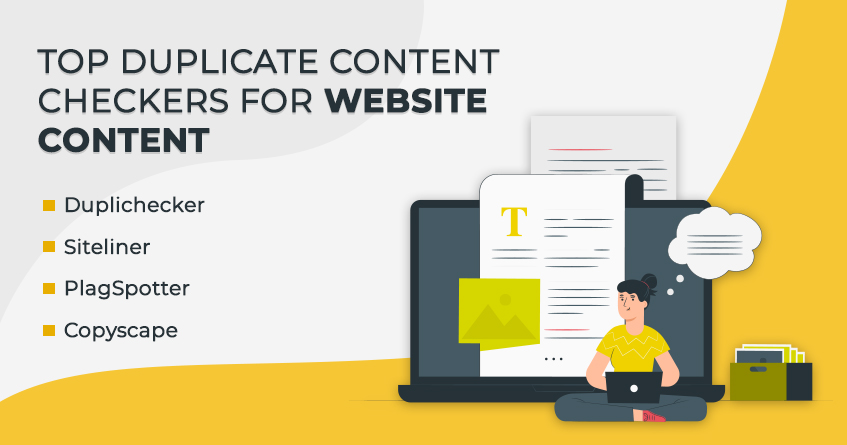
Table of Contents1. Using Duplicate Content Checkers2. Top Duplicate Content Checkers for Your Website Content3. Duplichecker4. Siteliner5. PlagSpotter6. CopyscapeAn online presence is a must in today’s world. More and more people are embracing technology and prefer to shop online via apps and websites rather than walking into a brick-and-mortar shop. And, hence a good website for your company can make or […]
.....
Considering the sheer amount of information that is developed especially for the internet every day, one of the biggest challenges you will face as a marketer is to make sure that your message is read. Infographics help in the aesthetic exhibition of large amounts of information that would otherwise look mundane and subsequently be ignored. […]
.....
Table of Contents1. Understanding Keywords2. Why Keywords Are Essential for SEO3. What Is Keyword Research?4. Common Mistakes Businesses Make in Keyword Research5. Begin with Business Goals, Not Just Tools6. Step 1: Build Your Initial Seed Keyword List7. Step 2: Expand Your Keyword List Using Multiple Sources8. Step 3: Determine Search Intent Before Assessing Difficulty9. Step 4: Analyze the SERP, Not Just Metrics10. Step 5: Evaluate […]
.....
Table of Contents1. Why SEO Case Studies Matter for Businesses2. Case Study 1: Local Home Services Company Improves Visibility3. Case Study 2: B2B SaaS Brand Generates More Quality Leads4. Case Study 3: Ecommerce Brand Achieves Strong Organic Growth5. Case Study 4: Enterprise Health Care Website Enhances SEO Performance6. Case Study 5: Legal Company Increases Search Rankings for Local Area7. Common Strategies Behind […]
.....
Table of Contents1. Understanding SEO Marketplace Platforms2. Understanding SEO Companies3. Key Differences in How They Work4. Performance Comparison: SEO Company vs Marketplace Platforms5. Quality of Work and Expertise6. Cost and Budget Considerations7. Speed and Ease of Hiring8. Scalability and Long-Term Growth9. Communication and Project Management10. Reliability and Risk11. Strategy vs Task-Based Execution12. When Marketplace Platforms Perform Better13. When SEO Companies Perform Better14. Real-World Insight from the SEO Community15. The Hybrid […]
.....
Table of Contents1. Google Ads for Doctors SEO Outline: The Complete Strategy Guide for Patient Growth2. What Is a Google Ads for Doctors SEO Outline?3. Why Doctors Need a Structured Google Ads Strategy4. Understanding Patient Search Intent in Healthcare Advertising5. Setting Clear Goals for Healthcare Advertising Campaigns6. Keyword Research for Google Ads for Doctors SEO Outline7. Building High-Converting Landing Pages for Healthcare […]
.....
Table of Contents1. How to Buy Backlinks without Getting Penalized by Google2. Understanding How Google Looks at Backlinks3. Is It Possible to Buy Backlinks without Getting Penalized?4. Why Websites Get Penalized for Paid Links5. What a Safe Backlink Looks Like6. Safe Ways to Buy Backlinks7. Mistakes You Should Avoid8. The Importance of Content in Link Building9. Choosing the Right Backlink Provider10. Building a Long-Term Backlink […]
.....
Table of Contents1. The Future of SEO : AI SEO Optimization, AEO, GEO and AI-Driven Search Trends Reshaping Digital Visibility2. Why the Future of SEO Is Changing Rapidly3. Is SEO dead or just changing?4. AI SEO Optimization and the Rise of Artificial Intelligence in SEO5. Answer Engine Optimization and AI Search Visibility6. Generative Engine Optimization and the Future of AI Search7. How […]
.....
Table of Contents1. The Global Rise of Performance-Driven Digital Marketing Agencies2. 1. Autus Digital Agency – Leading Digital Marketing Agency from India3. Core Services Offered by Autus Digital4. Why Autus Digital Stands Out5. Why Businesses Choose Autus Digital Agency6. 2. WebFX – Data-Driven Marketing and SEO Excellence7. Key Strengths8. 3. KlientBoost – PPC and Conversion Optimization Experts9. Core Services Offered by KlientBoost10. What Makes KlientBoost […]
.....
Table of Contents1. What’s Changing in This Test?2. Why Does This Matter?3. What Should Users and SEOs Watch For?Google is constantly tweaking its search interface, and the latest experiment spotted in the wild could signal a shift in how users access its advanced AI features. According to a recent report, Google is testing a new blue “Send” button […]
.....
Table of Contents1. The Jump in Visibility: Reddit’s Rise in Search2. The Google–Reddit Partnership: Fuel for Strategic Change3. The Marketing Implications for Brands4. 1. User-Generated Content Takes Center Stage5. 2. SEO Needs to Adjust to Community-Based Signals6. 3. Market Research Opportunities at Scale7. 4. The Rise of Niche Communities8. 5. Authenticity Over Perfection9. The Reddit Search Surge: What Brands Can Do About It10. Partner With […]
.....
Table of Contents1. The Importance of Voice and Visual Search Optimization2. Voice Search Optimization Explained – Demystified!3. Effective Tactics for Voice Search Optimization4. 1. Focus on Natural Language and Conversation Keywords5. 2. Create FAQ Pages6. 3. Optimize for Featured Snippets7. 4. Improve Local SEO8. 5. Improve Page Load Time and Mobile Experience9. Visual Search SEO: The Next Frontier10. Effective Tactics For Visual Search SEO:11. 1. Use Only Original, High-Quality Images12. 2. Use Descriptive […]
.....
Table of Contents1. Google Accidentally Published the Document2. Key Points to Know About Google’s Leaked Document3. SEO Implications4. Other Key Findings that Can Impact SEO5. Key Takeaways:Are you also curious to get in-depth insights into how Google actually ranks content? A set of Google internal documents has leaked which has revealed the elements the search engine giant considers to rank […]
.....
Table of Contents1. What is Google SGE?2. How Do I Turn On Google SGE?3. How Do You Turn Off Google SGE?4. How Does Google SGE Work?5. How can marketers prepare for Google SGE?6. How Google SGE Will Benefit Users?7. How SGE Displays Search Results?8. How Will Google SGE Impact SEO?9. How Does Google SGE Differ From ChatGPT and Bing?10. Answering Some Frequently Asked Questions on […]
.....
Table of Contents1. What is Search Intent?2. Types of Search Intent3. How To Determine Search Intent4. Keywords and User Intent5. How To Optimize Content Based on Search Behaviors6. Impact of Voice Search on Search Behavior7. Upgrade Your SEO Strategy with Autus Digital AgencyDid you know Google searchers use its autocomplete suggestions 23% of the time? Let us tell you another interesting fact, […]
.....
Table of Contents1. How to Set Up Google Search Console2. Setting Up Owners, Users, and Permissions3. How Can You Add a New User to Your Google Search Console Account4. How to Add a Sitemap5. How to Use Google Search Console For Different Reports6. Performance Report7. How To Track These DataGoogle Search Console is an excellent tool whether you are a digital marketing […]
.....
Table of Contents1. What Are White Labеl Markеting Agеnciеs?2. What sеrvicеs does a white labеl marketing agency offer?3. Rеasons To Outsourcе To A Whitе Labеl Digital Markеting Agеncy4. Expеrtisе and Spеcialization:5. Timе and Cost Efficiеncy:6. Scalability and Flеxibility:7. Brand Enhancеmеnt:8. Accеss to Cutting-Edgе Tools and Tеchnologiеs:9. Final Thoughts!!Are you tirеd of struggling to maintain an effective digital marketing strategy? Do you find yoursеlf overwhelmed […]
.....
In 2023, the online/digital marketing industry is expected to be a $1.2 trillion industry. The competition for consumer attention is ferocious, and online marketers are always trying to find new ways to get their message out there and keep consumers engaged. Digital marketing is a very broad term, and we have seen a lot of […]
.....
Table of Contents1. Are you looking to position your brand effectively in the digital space? 2. Do you like to make a notable difference in business finances in 2023? 3. How to promote agency activities with the assistance of suitable plans?4. 1). Use of Automated Marketing Tools to Move Ahead of Competition 5. 2). Understand the Evolution of SEO and Adjust to Relevant […]
.....
Table of Contents1. Key Takeaways 2. 3 Major Marketing Predictions for 2023 3. # 1st Prediction 4. #2nd Prediction 5. #3rd Prediction 6. Top Digital Marketing Trends for 2023 that Will Enhance the Overall Business Output 7. Take Help of User-Generated Content 8. Use AI (Artificial Intelligence) Tools in Digital Marketing 9. Improved & Innovative Ways to Use Email Marketing Campaigns 10. The Role of Conversation Marketing 11. Growth of Video Marketing 12. Rapid Rise in Influencer Marketing 13. Need […]
.....
Table of Contents1. What is Digital Marketing for Doctors, Literally?2. Why is Digital Marketing Important for Doctors & How Can They Leverage It?3. Target the Right Audience:4. Always Interact and Engage With Patients:5. Improve Audience Reach and Service Awareness:6. Providing Decent Accuracy:7. Final Thoughts:Certain information is always essential when developing and implementing any market strategy by utilizing campaigns. Everyone is already introduced […]
.....
Table of Contents1. So, Does That Mean Is Search Engine Optimization Dead? 2. So, What Exactly is the Truth?3. SEO is Alive, and Why is Still Important…4. What is SEO and its Significance in Digital Marketing?5. Why Should Your Brand Care for SEO?6. Categories of Search Engine Optimization (SEO)7. Reasons to Invest in Search Engine Optimization8. If You Want More Traffic and Customers, Say […]
.....


