


The modern digital advertising ecosystem has evolved significantly, and businesses now rely heavily on data-driven advertising systems like Google Ads to achieve scalable growth. This guide provides a structured, informational breakdown of how to build smarter, performance-oriented campaigns designed to improve ROI, optimize targeting, and maximize conversions across competitive industries. The focus is on practical strategy, keyword intelligence, bidding optimization, and campaign architecture that aligns with modern search behavior and AI-driven advertising systems.
Autus Digital Agency helps agencies deliver SEO, PPC, social media, and web solutions under their own brand.
This first half of the guide covers foundational and intermediate strategies that form the backbone of high-performing campaigns. Each section is structured to support both beginners and advanced marketers aiming to improve ad efficiency and reduce wasted spend while scaling visibility across search and display networks.

The Google Ads ecosystem is a multi-layered advertising network that includes Search, Display, Video, Shopping, and Performance-based campaign models. Understanding how these layers interact is essential for building smarter campaigns that convert effectively. At its core, the system operates on intent-driven targeting, where advertisers bid on keywords and user signals to display ads at the right moment.
To optimize performance, advertisers must align campaign types with funnel stages. Awareness campaigns should prioritize reach, while conversion campaigns should focus on intent-heavy keywords and precise audience segmentation. Machine learning within the platform continuously adjusts ad placements, making data quality and conversion tracking essential for success.
Keyword strategy remains the foundation of any successful Google Ads campaign. High-performing campaigns are built on deep keyword research that identifies commercial intent, user behavior patterns, and long-tail opportunities. The goal is not just traffic generation but attracting users who are ready to convert.
Modern keyword planning involves clustering keywords based on intent rather than volume alone. High-intent keywords often include transactional modifiers such as “buy,” “hire,” “best,” or “near me.” These terms indicate readiness to act, making them more valuable for conversion-focused campaigns.
AI-powered tools also help identify semantic keyword relationships, allowing advertisers to expand reach without losing relevance. A strong keyword strategy reduces wasted ad spend and increases Quality Score, which directly impacts cost-per-click efficiency.
A well-structured campaign setup is critical for scaling performance in Google Ads. Poor segmentation often leads to budget inefficiencies, low Quality Scores, and unclear performance tracking. Smart advertisers structure campaigns based on product categories, audience intent, and funnel stages.
Campaign segmentation ensures better control over bidding, ad messaging, and budget allocation. Each campaign should serve a specific goal, whether it is lead generation, product sales, or brand awareness. Within campaigns, tightly grouped ad sets improve relevance and increase click-through rates.
A scalable structure also allows better integration of automation tools. Smart campaigns rely on clear data signals, and segmentation ensures that machine learning algorithms optimize effectively without cross-contaminating data sets.
Outsource smarter with white label SEO, PPC, web development, and AI-powered marketing solutions.
Smart bidding strategies in Google Ads leverage machine learning to optimize bids in real time. Instead of manual adjustments, the system uses conversion data, device signals, location, and user behavior to determine optimal bid values. This allows advertisers to improve ROI while minimizing manual workload.
Budget optimization ensures that spending is aligned with campaign performance. High-performing campaigns should receive more budget allocation, while low-performing segments must be optimized or paused. Effective budget control prevents overspending and improves cost efficiency.
Smart bidding becomes more effective with higher-quality conversion data. Without proper tracking, algorithms cannot optimize efficiently, leading to inconsistent performance. Therefore, accurate conversion tracking is essential for scalable success.
Ad copy plays a crucial role in determining click-through rates and overall campaign success. Effective ads communicate value, urgency, and relevance within limited character space. The goal is to align user intent with compelling messaging that encourages immediate action.
Strong ad copy is built on clarity, emotional triggers, and keyword alignment. Headlines should include primary keywords, while descriptions should highlight benefits and differentiators. A/B testing different variations helps identify the most effective messaging combinations.
Creative strategy extends beyond text to include extensions such as sitelinks, callouts, and structured snippets. These enhancements improve visibility and increase click-through rates by providing additional value to users before they click.
From SEO to AI-driven digital marketing, we help agencies and brands grow faster without increasing overhead.

AI-powered optimization transforms campaign management through automated decision-making and predictive insights.
Modern advertising within increasingly depends on automation and artificial intelligence to manage bidding, targeting, and optimization at scale. Manual campaign management is no longer sufficient in competitive markets where real-time decisions determine ad visibility and cost efficiency. AI systems analyze billions of signals such as device type, user intent, location, and historical behavior to optimize ad delivery dynamically.
The shift toward automation does not eliminate the need for strategy; instead, it enhances it. Advertisers must provide strong data inputs, clear conversion goals, and structured campaigns to allow machine learning models to perform effectively. Without proper inputs, automation can lead to inefficient spending or irrelevant traffic.
Advanced automation also includes responsive ads, dynamic keyword insertion, and predictive audience modeling. These tools improve personalization and increase conversion probability by aligning ads with user intent patterns.
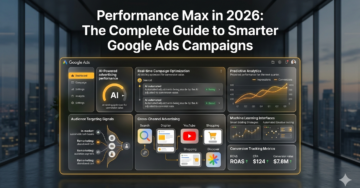
Performance Max campaigns represent a fully automated, goal-based advertising model within Google Ads. These campaigns allow advertisers to access all Google inventory—Search, Display, YouTube, Gmail, and Discover—through a single campaign structure. The system uses machine learning to distribute budgets and optimize placements based on conversion likelihood.
While Performance Max offers scalability, it requires strategic setup to avoid inefficiencies. Asset quality, audience signals, and conversion tracking play a critical role in determining campaign success. Poor inputs often lead to generic targeting and diluted performance outcomes.
Performance Max is especially effective for eCommerce and lead generation when combined with structured data feeds and remarketing lists. However, continuous monitoring is necessary to ensure the system prioritizes high-value conversions rather than low-quality traffic.
Accurate conversion tracking is the foundation of any successful advertising strategy. Without precise measurement, optimization becomes guesswork. Conversion tracking allows advertisers to understand which keywords, ads, and audiences drive valuable actions such as purchases, sign-ups, or leads.
Advanced analytics go beyond basic conversion counting. They include attribution modeling, assisted conversions, and cross-device tracking. These insights help marketers understand the full customer journey rather than just last-click interactions.
Proper analytics setup enables smarter decision-making. It allows advertisers to identify underperforming campaigns, optimize high-performing segments, and allocate budgets effectively based on real data instead of assumptions.
Landing page optimization is a critical factor in improving campaign ROI. Even the best-performing ads will fail if the landing page does not convert effectively. A strong landing page aligns messaging, design, and user experience with ad intent to create a seamless conversion journey.
Speed, clarity, and relevance are the three pillars of high-performing landing pages. Users expect fast-loading pages with clear value propositions and minimal distractions. Any friction in the user journey increases bounce rates and reduces conversions.
Conversion rate optimization (CRO) involves continuous testing and refinement. A/B testing headlines, layouts, and CTAs helps identify the most effective design elements. Behavioral tools like heatmaps also provide insights into user interaction patterns.

Well-optimized Performance Max campaigns can improve efficiency, conversions, and return on ad spend.
Scaling campaigns within requires a structured approach to budget expansion and performance stability. Rapid scaling without data validation can lead to inefficiencies, increased cost per conversion, and unstable performance metrics.
Effective scaling involves gradually increasing budgets for high-performing campaigns while maintaining strict performance monitoring. This ensures that growth is sustainable and aligned with profitability goals.
Horizontal scaling involves expanding into new keywords, audiences, and geographies, while vertical scaling focuses on increasing investment in existing successful campaigns. Both strategies must be balanced to maintain efficiency.
Retargeting is one of the most powerful strategies in modern digital advertising. It allows advertisers to re-engage users who have already interacted with their website or ads but have not yet converted. Within, retargeting uses cookies and audience lists to deliver personalized ads based on user behavior.
Audience layering enhances retargeting by combining multiple targeting signals such as demographics, interests, and purchase intent. This creates highly refined audience segments that improve conversion probability.
Effective funnel optimization ensures users move smoothly from awareness to conversion. Retargeting campaigns should be tailored based on where the user is in the funnel journey.
Performance Max is an AI-powered campaign type that allows advertisers to access all Google advertising channels, including Search, Display, YouTube, Gmail, Discover, and Shopping, through a single campaign. It uses machine learning to optimize bids, placements, and targeting for maximum conversions.
Unlike traditional campaigns that focus on a single channel, Performance Max combines multiple Google inventory sources into one campaign. It automatically allocates budget and placements based on conversion potential, reducing manual management while increasing reach.
Yes. Performance Max can help small businesses reach potential customers across multiple Google properties without requiring extensive campaign management. However, accurate conversion tracking and high-quality creative assets are essential for achieving good results.
Audience signals are data inputs that help Google's AI identify potential customers. These signals can include customer lists, website visitors, demographics, interests, and custom segments, helping the system optimize targeting more effectively.
Conversion tracking provides the data that Google's machine learning uses to optimize campaign performance. Without accurate tracking, the system may struggle to identify valuable actions and allocate budget efficiently.
The best bidding strategy depends on your goals. Target CPA is often used for lead generation, while Target ROAS is preferred for eCommerce campaigns focused on maximizing revenue and return on ad spend.

Gaurav is working on various verticals like IT & Software Solutions | Digital Marketing | E-Commerce | BPO | Outsourcing | Offshoring | Global Deliveries | Exports | Education. Gaurav believes in CHANGE, which is constant throughout the LIFE so be with the CHANGE Gaurav is having, In-depth experience in IT Solutions, Offshoring, Internet Branding, Sales & Marketing, Managing New Projects & Processes, Solution Designing and Transitioning of New International and Domestic business engagements. Proficient at managing & leading teams to run successful operations & experienced in developing procedures, service standards, client satisfaction using standard frameworks for business excellence.

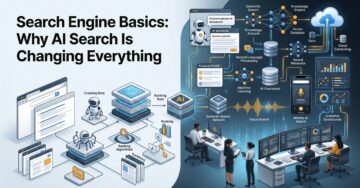
Search engines have transformed dramatically over the past two decades. Early search engines relied heavily on matching keywords, backlinks, and page authority to determine rankings. Today, artificial intelligence is redefining how information is discovered, interpreted, and delivered. Instead of simply displaying a list of blue links, modern AI-powered search engines analyze user intent, understand context, […]
.....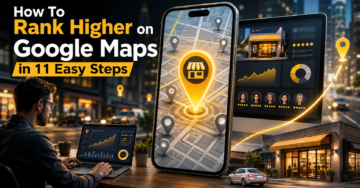
If you run a local business, showing up at the top of Google Maps can directly impact your visibility, leads, and revenue. When people search for services “near me,” Google prioritizes businesses that are optimized, relevant, and trustworthy. That’s why learning how to rank higher on Google Maps is essential for any business aiming to […]
.....
In today’s competitive social media landscape, simply posting good content is not enough. If your profile is not optimized, your chances of being discovered by new audiences are extremely limited. That’s where Instagram profile optimization comes into play. It acts as the foundation for visibility, discoverability, and long-term growth on the platform. Whether you are […]
.....
Understanding how to Remove Legal Records from Google Search Results is important for anyone who wants to protect their online reputation and privacy. Legal records such as court cases, arrest records, or public filings can appear in search results and affect personal or professional life. Even if the information is old or no longer relevant, […]
.....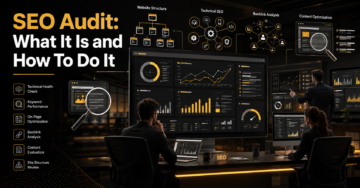
An SEO Audit is the process of checking your website to understand how well it performs in search engines like Google. It helps you identify problems, improve weak areas, and build a strong base for better rankings. Many website owners focus only on content or backlinks, but without a proper audit, they miss important issues […]
.....
Google Search Console — never a better SEO tool for website owners and marketers. It enables better insights into how your website is performing, tracks clicks and impressions on search engines for relevant queries, and offers valuable indexing information. In addition to Search Ads 360, Google has now rolled out reporting for social and video […]
.....
Why You Need to Spot Fake Online Reviews The buy-before-buying: where to eat, which service to choose — people make all choices based on online tips. Before spending their money, most people read reviews. Good reviews instil trust in the mind; bad reviews force users not to buy. But not every review is real. Whatever […]
.....
Social media marketing is now more than a platform for sharing! In 2026, this is now the simplest approach to boost YouTube subscribers and have a more active video activity as well as gathering a loyal audience. YouTube’s recommendation system is still the most powerful, but creators who create promotional content for a variety of […]
.....
In 2026, your online reputation is one of the most important digital assets. If you have a company, working freelance, creating the startup you will want to build a personal brand and earlier than that people will be searching online before making decisions. They read reviews, look at your website, visit social networks and consider […]
.....
Online reviews help people make smart buying decisions. Before choosing a product or service, many people read customer reviews. They want honest opinions from real users. However, fake reviews have become more common. Because of this, people now check reviews more carefully. A trustworthy review helps customers feel confident. It also helps businesses build a […]
.....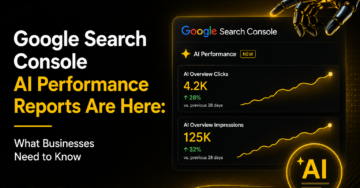
Google is rolling out new AI Performance Reports in Google Search Console. These reports help website owners see how their content appears in Google’s AI-powered search results. This update is important because search is changing fast. Today, people do not only click on blue links. They also get answers from AI Overviews and AI Mode. […]
.....
Instagram has evolved from a simple photo-sharing platform into one of the most powerful online income sources. With millions of active users engaging with brands, creators, and businesses daily, the platform offers numerous opportunities to generate revenue. Whether you are an influencer, entrepreneur, freelancer, or content creator, learning how to earn money on Instagram can […]
.....
Instagram carousel posts have become one of the most effective content formats for increasing engagement, improving reach, and delivering more value to followers. Whether you are a creator, influencer, marketer, or business owner, carousel posts allow you to share multiple images and videos within a single post. However, many users discover after publishing that the […]
.....
SEO Companies in the USA Search engine optimization has become one of the most critical digital marketing channels for businesses aiming to grow online visibility and revenue. In the USA, SEO companies play a major role in helping brands improve rankings, attract qualified traffic, and convert visitors into customers. With search algorithms becoming more advanced […]
.....
In 2026, short-form video content has become one of the most powerful drivers of growth on Instagram. It plays a central role in personal branding, business marketing, and influencer development. Today, video views are no longer treated as a simple vanity metric—they are a key indicator of content reach, algorithm performance, and audience interest. Whether […]
.....
Snapchat is one of the most widely used social media platforms for sharing short-form photos, videos, and disappearing content known as “Stories.” Unlike traditional social networks, Snapchat is built around temporary content that automatically disappears after 24 hours. This unique system has made it extremely popular, but it has also created strong user curiosity around […]
.....
Search engine optimization has become one of the most important digital growth channels for modern businesses. Whether it is a startup trying to establish market presence, an eCommerce brand looking to increase product sales, or a service-based company focused on generating qualified leads, SEO plays a major role in improving visibility, credibility, and long-term business […]
.....
Today, lead generation is considered to be one of the crucial factors behind the growth of many companies. The current market environment is highly competitive, and attracting clients becomes increasingly difficult and costly each year. In other words, companies do not only aim to get visits to their websites or likes on their pages. Instead, […]
.....
SEO has evolved into one of the most complex digital growth systems in modern marketing. It is no longer limited to ranking websites on Google through keywords and backlinks. SEO by 2026 includes traditional search engines, AI-generated answer systems, and semantic knowledge networks that understand user intent, not just search queries. This transformation has changed […]
.....
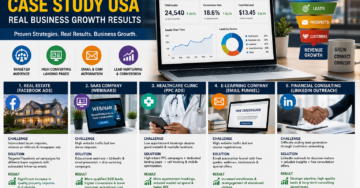
US Client Case Study: 312% Organic Growth with Autus Digital Search engine optimisation (SEO) is no longer a nice-to-have in today’s digital economy; it’s the lifeblood of service-based businesses. The “Yellow Pages” technology is over for agencies that do HVAC, plumbing, and electrical work. The first web page of Google is in which corporations fight […]
.....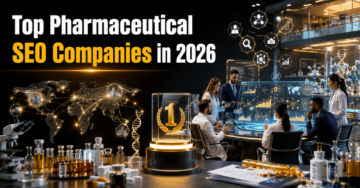
The pharmaceutical industry has become increasingly digital, with healthcare professionals, patients, and researchers relying on search engines to discover medications, treatment options, clinical research, and healthcare providers. As competition intensifies, pharmaceutical companies need specialized SEO strategies that not only improve search visibility but also comply with strict healthcare regulations. Unlike general SEO agencies, top pharmaceutical […]
.....
Artificial intelligence is transforming how people discover information online. Instead of relying solely on traditional search engines, users increasingly ask questions in platforms such as ChatGPT, Google AI Overviews, Microsoft Copilot, Gemini, Claude, and Perplexity. This shift has introduced new optimization strategies that extend beyond conventional SEO. Among the newest discussions in technical SEO are […]
.....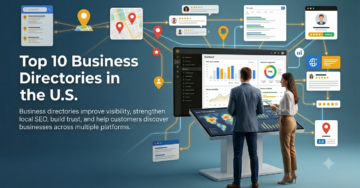
Why Business Directories Still Matter for Local SEO and Customer Discovery In an era dominated by search engines and social media, many businesses overlook the importance of business directories. However, online directories remain one of the most effective ways to improve local SEO, strengthen online visibility, and help potential customers find products and services. A […]
.....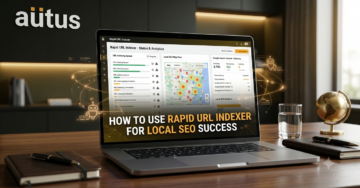
Local businesses depend on visibility in search results to attract nearby customers. However, even the best-optimized web pages cannot generate traffic if search engines fail to discover and index them quickly. This is where Rapid URL Indexer becomes valuable. It helps website owners, marketers, and SEO professionals accelerate the indexing process, ensuring important pages appear […]
.....
Google Search is growing faster than ever, and one of the biggest changes has been in AI-generated search experiences. Google, instead of showing traditional search results, is just directly giving us AI-generated responses to our queries. AI Overviews: These pointers are changing the way people find things, and how websites enjoy visibility. This represents a […]
.....
Imagine investing months into building a website, publishing content, optimizing pages, and running marketing campaigns—without knowing whether anyone is actually visiting your site. In today’s highly competitive digital landscape, making decisions without traffic data is like navigating unfamiliar roads without a map. Website traffic analysis has become one of the most important aspects of digital […]
.....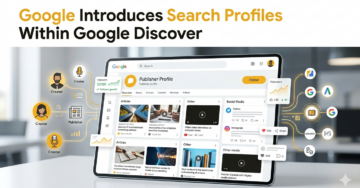
Google Expands Publisher Visibility with Search Profiles Google has officially begun rolling out Search Profiles within Google Discover in the United States, introducing a new way for publishers, creators, and brands to establish a stronger presence across Google’s ecosystem. The feature creates dedicated publisher landing pages that allow users to follow content sources, explore recent […]
.....
Why SEO Keyword Research Is the Foundation of Search Success In the modern search landscape, success is no longer about simply inserting keywords into content. It is about understanding what users are searching for, why they are searching for it, and how you can deliver the most relevant and valuable answer at the right moment. […]
.....
: Marketing companies are always under pressure to come up with more effective strategies for their clients, all the while juggling various projects simultaneously. As the expectations of their clients keep rising, most firms find it increasingly challenging to take care of all SEO-related aspects themselves. Increased staffing and costly tools may result in higher […]
.....
The modern digital advertising ecosystem has evolved significantly, and businesses now rely heavily on data-driven advertising systems like Google Ads to achieve scalable growth. This guide provides a structured, informational breakdown of how to build smarter, performance-oriented campaigns designed to improve ROI, optimize targeting, and maximize conversions across competitive industries. The focus is on practical […]
.....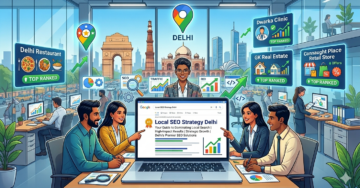
Delhi is one of the most competitive markets in India in terms of doing business. No matter what type of service you offer in your company, whether it’s restaurants, law firms, medical clinics, real estate agencies, educational institutes, or retail stores, people are now turning to the internet for help locating these services. Your company […]
..... SEO Companies in the USA Search engine optimization has become one of the most critical digital marketing channels for businesses aiming to grow online visibility and revenue. In the USA, SEO companies play a major role in helping brands improve rankings, attract qualified traffic, and convert visitors into customers. With search algorithms becoming more advanced […]
.....
Online presence is one key factor that can determine a business’s success in the modern age. Whether you are selling something or just promoting your brand name, having an effective SEO strategy would help you rank well. With customers checking for information online, SEO is a crucial strategy that should be taken seriously by all […]
.....
Today, SEO is considered the most essential investment in terms of digital marketing by all organizations. Whether it’s a local business, an e-commerce website, a software business, or even an enterprise-level business, having an online presence is necessary to get more visitors. In today’s world, however, SEO does not consist only of stuffing keywords into […]
.....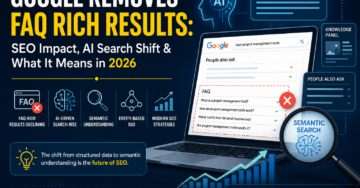
Google’s handling of FAQ rich results has become one of the most misunderstood developments in modern SEO. Many people describe it as a complete removal, but the reality is more nuanced. FAQ structured data still exists under Schema.org and continues to be supported by Google Search Central, yet its visibility in search results has been […]
..... SEO has evolved into one of the most complex digital growth systems in modern marketing. It is no longer limited to ranking websites on Google through keywords and backlinks. SEO by 2026 includes traditional search engines, AI-generated answer systems, and semantic knowledge networks that understand user intent, not just search queries. This transformation has changed […]
.....
Search engine optimization has changed dramatically over the past few years. Google is using AI to power search results, user intent is more important than exact-match keywords, and competition is growing in almost every niche.Google is using AI to power search results, user intent is more important than exact-match keywords, and competition is growing in […]
.....
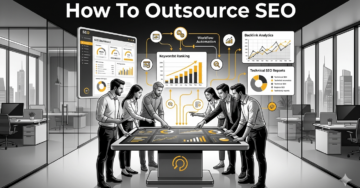
SEO is considered to be the most critical element for digital success. SEO is no longer limited to keyword placement and creating backlinks. Contemporary SEO entails technical optimization, content strategy, competition research, and monitoring. Due to these intricate processes, most companies choose to outsource their SEO tasks rather than handle them within their organizations. The […]
.....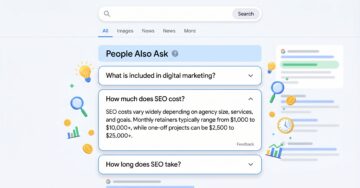
When people use Google to search for anything nowadays, they frequently come across an option known as the People Also Ask box. This is where Google provides you with several questions related to your search topic. It is not there by accident because it is part of how people research online and provides significant benefits […]
.....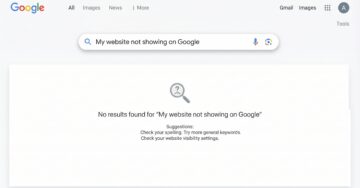
Your website is built meticulously. You have put in all your service offerings and contact information, and perhaps shared the website URL too. However, if your website not showing up on Google search, it can be frustrating when your company doesn’t appear anywhere. This is a scenario that is very common today in 2026. Thankfully, […]
.....


